
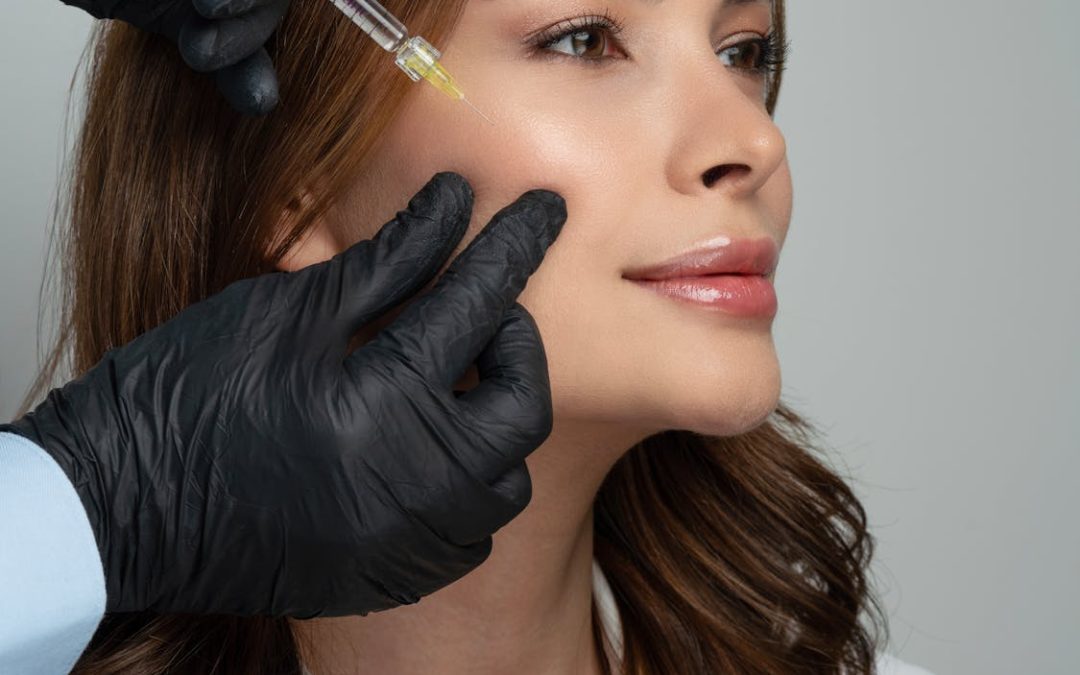
Injectable treatments are a mainstay of modern aesthetic care, used to address lines, volume loss, and facial imbalance with targeted approaches. Two names tend to come up again and again during consultations: Botox for dynamic movement and dermal fillers for volume and contour.
Each option follows a distinct biological route, achieves different visual effects, and asks for a particular skill set from the clinician who administers it. The next sections break down five core differences in plain language while keeping the science and practicalities front and center.
1. Mechanism Of Action
Botox works at the neuromuscular junction by interrupting the release of a chemical messenger that tells muscles to contract, which reduces repetitive movement that creates dynamic lines. That interruption is temporary and precise, so trained injectors place tiny amounts into specific muscles to soften expression lines without erasing natural emotion.
Dermal fillers operate in a different layer of the face, where gels or particulate materials add physical volume, lift tissues, and smooth static creases that are visible even when the face is relaxed. In short, one approach quiets muscle activity and the other sculpts volume into soft tissue, which explains why they address separate kinds of aging changes.
Understanding the composition highlights the split in function, since Botox is a biologic agent with a nerve level effect while fillers are structural and occupy space within skin layers. Fillers come in formulas that attract water, scaffold collagen, or provide longer term support through particulate elements, and each formula carries its own handling properties.
The practitioner’s choice of product follows from the target area and the intended duration of effect, so a plan that treats forehead lines will look different from one that restores cheek fullness. A clear grasp of mechanism helps a patient set realistic expectations about what will change and what will remain the same.
2. Primary Uses
Clinicians typically reach for Botox to address dynamic wrinkles such as forehead furrows, glabellar lines between the brows, and crow’s feet that appear during smiling and squinting. Those sites respond because the underlying problem is repetitive muscle contraction that creases the overlying skin over years of expression, and reducing that movement smooths the surface.
In a similar way, women’s intimate health treatments can help address concerns like genital dryness or urinary incontinence, improving quality of life and self-confidence.
Fillers are favored when loss of fat and bone support creates hollows, or when soft tissue descent forms static folds like nasolabial lines, midface deflation, or thinning lips. Many patients find that improving contour with filler can make the skin look fresher and more youthful without removing the ability to emote.
Treatment goals often determine a mixed approach, as a combined strategy can address both motion driven lines and volume deficits in the same session or staged plan. Injectors commonly use Botox to relax problematic muscles and fillers to replace lost structure, yielding a more harmonious outcome than either treatment alone.
That combined tactic is part art and part anatomy, where subtle tweaks produce natural appearing changes and blunt fixes create a less convincing result. Good practitioners think in layers and balance, not in single fix solutions.
3. Onset And Duration
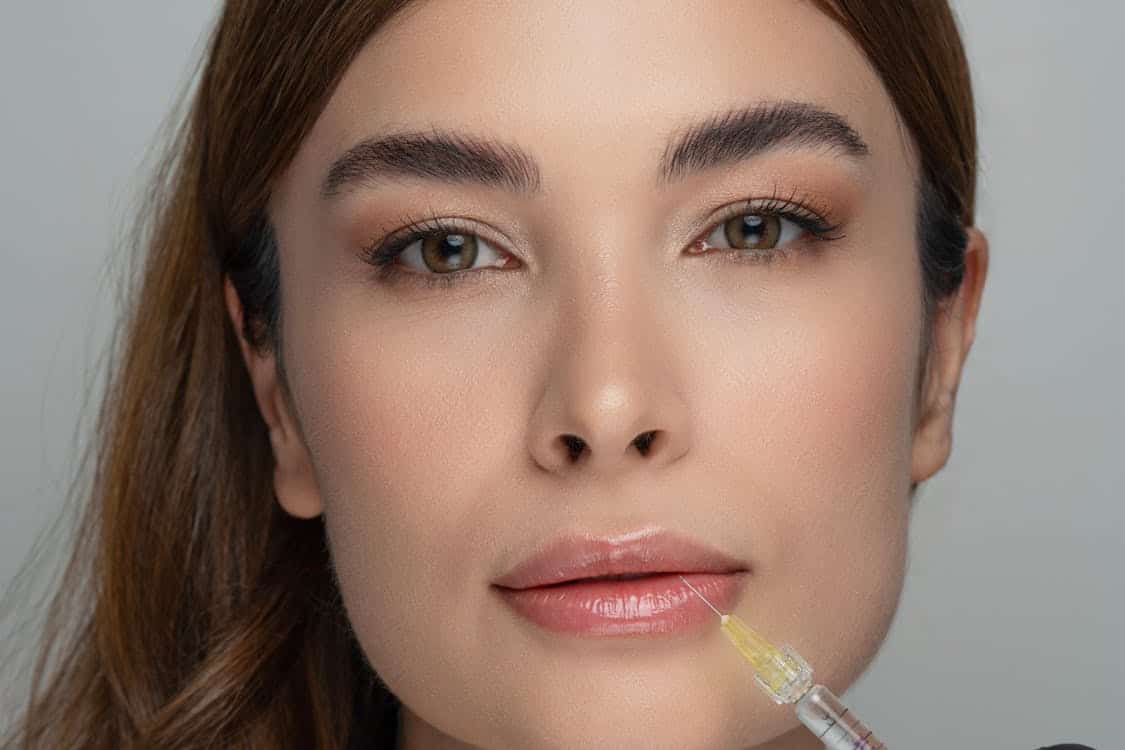
Botox typically shows visible improvement within several days, with peak effect forming around two weeks, and the clinical effects commonly last between three and six months depending on dose and individual response. Repeat treatments are standard because the neuromuscular blockade is not permanent, and many patients establish a maintenance cadence that fits their schedule and budget.
Fillers often provide an immediate visible difference since the material occupies space right away, but longevity varies widely by product type, injected volume, and metabolic activity of the patient. Some hyaluronic acid fillers last under a year while certain particulate options maintain shape for a couple of years, which means planned touch ups or staged layering are part of long term care.
Predictability differs between the two types of injectables, which is why realistic planning is essential before any treatment begins. Muscle strength and how fast a body clears an agent influence how long Botox works, while enzymatic breakdown and mechanical pressure affect how long a filler stays in place.
A client seeking short term change might prefer the reversible nature of Botox or temporary filler options, while another person looking for longer off interval might choose a denser filler with known longevity. Discussing timing up front helps align expectations and avoids surprises after treatment has settled.
4. Injection Technique And Placement
Botox administration is highly technique driven, involving small volume injections placed precisely into targeted muscles with knowledge of anatomy, function, and individual variation in muscle pattern. Dosing, placement, and angle of the needle determine whether the outcome looks subtle and rested or locked and unnatural, and practitioners often tailor injection maps to facial symmetry and activity patterns.
Fillers require a different tactile approach because the injector must judge depth, plane, and product behavior within soft tissue to achieve lift, contour, or smoothing without overcorrection. Choices about bolus placement versus linear threading, and about layering product in different planes, shape the final three dimensional result.
Both types of treatment benefit from attention to vascular anatomy, with filler procedures carrying a particular need to avoid intravascular injection and to have rescue strategies ready for adverse events. Aspiration, slow injection, and a strong working knowledge of danger zones are practical steps that experienced clinicians use to reduce risk.
For hyaluronic acid fillers, availability of an enzyme that can break the product down provides a safety net in many situations, while Botox effects wear off over time which adds a layer of safety in the sense of reversibility. Ultimately the injector’s hand, judgment, and situational adjustments matter as much as the product choice in producing a pleasing outcome.
5. Side Effects And Safety
Common, typically transient reactions to Botox include local tenderness, bruising at the injection site, mild headache, and in some cases temporary drooping when nearby muscles are affected unintentionally. Serious systemic effects are rare at cosmetic doses, yet predictable local complications like ptosis have known management strategies, and good communication about temporary risk helps patients proceed with eyes open.
Fillers commonly cause swelling, redness, and bruising at the injection site, and lumpiness or asymmetry can occur when product placement is uneven or tissue reaction varies from expectation. A more severe but uncommon event is vascular occlusion, where inadvertent injection into a vessel compromises blood flow, requiring immediate recognition and treatment to prevent tissue damage.
Risk mitigation rests on training, patient selection, and having a clear plan for complications that includes available treatments and timely follow up. For hyaluronic acid based fillers, an enzyme exists to dissolve the material and manage obstructive events or unwanted contours, which provides a direct remedial option when indicated.
In all cases, providing pre treatment guidance about medications and activities that affect bleeding and healing reduces minor side effects like bruising and swelling. Open dialogue about realistic outcomes, layered planning, and emergency steps helps build trust and keeps safety at the center of cosmetic care.