
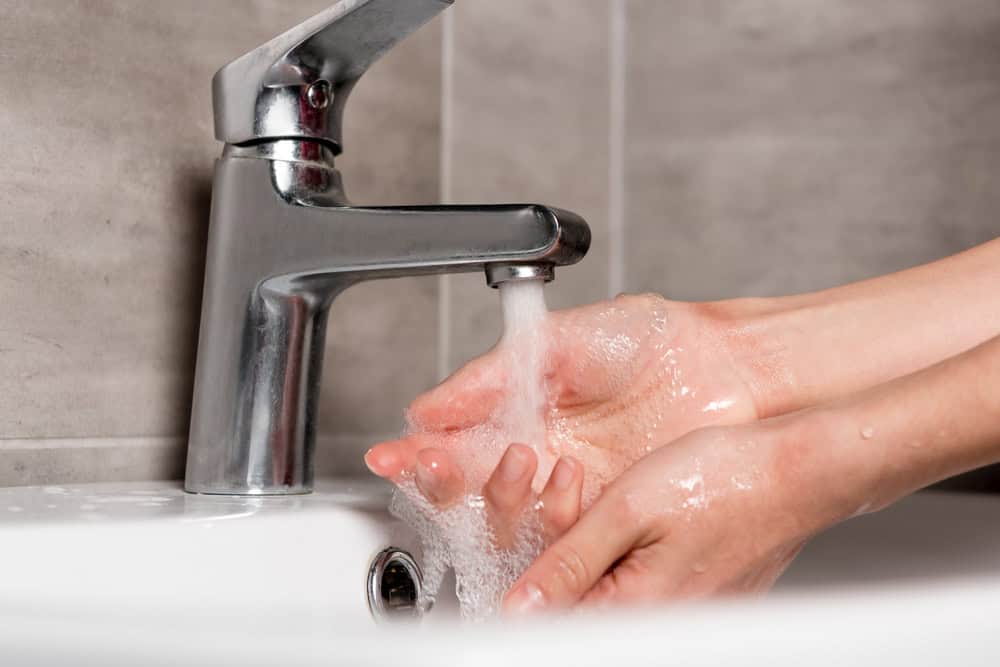
Older adults live with patterns and routines that help keep daily life safe and predictable, yet a simple drip or a slow drain can quietly alter that balance. Plumbing failures tend to start small and then grow into big health and safety problems that hit seniors harder than younger people.
A neglected water heater, corroded pipes, or hidden leaks can trigger a chain of events that affect breathing, mobility, medication safety, and financial stability, which is why regular maintenance checks for senior living facilities should never be treated as optional or delayed.
Why Plumbing Matters For Senior Health
Plumbing touches nearly every part of home life from clean drinking water to safe bathing and laundry, so a breakdown hits multiple needs at once and magnifies risk for older adults.
A stinky or discolored tap can signal wider contamination that weak immune systems cannot shrug off, and low water pressure may stop a shower from rinsing soap away which in turn raises skin irritations and infection risk.
When a toilet overflows or a sink backs up, quick action is needed because slips and exposure to germs follow fast and without much warning. Leaving issues to chance is like letting a small leak quietly erode the foundation of everyday safety.
Water Contamination Threats And Immune Vulnerability
Contaminated water can carry bacteria, protozoa, or metals that older bodies handle poorly, and infections that a younger immune system might ward off can become serious for seniors.
Rust colored water or odd tastes are signs that should not be ignored since they often index pipe corrosion or cross contamination at fixtures where illness can start.
Chronic exposure to low level contaminants can weaken reserves and interact badly with prescribed treatments that many seniors take day in and day out. Quick testing and regular water checks help keep the risk curve from bending toward trouble.
Slip And Fall Hazards From Leaks And Spills
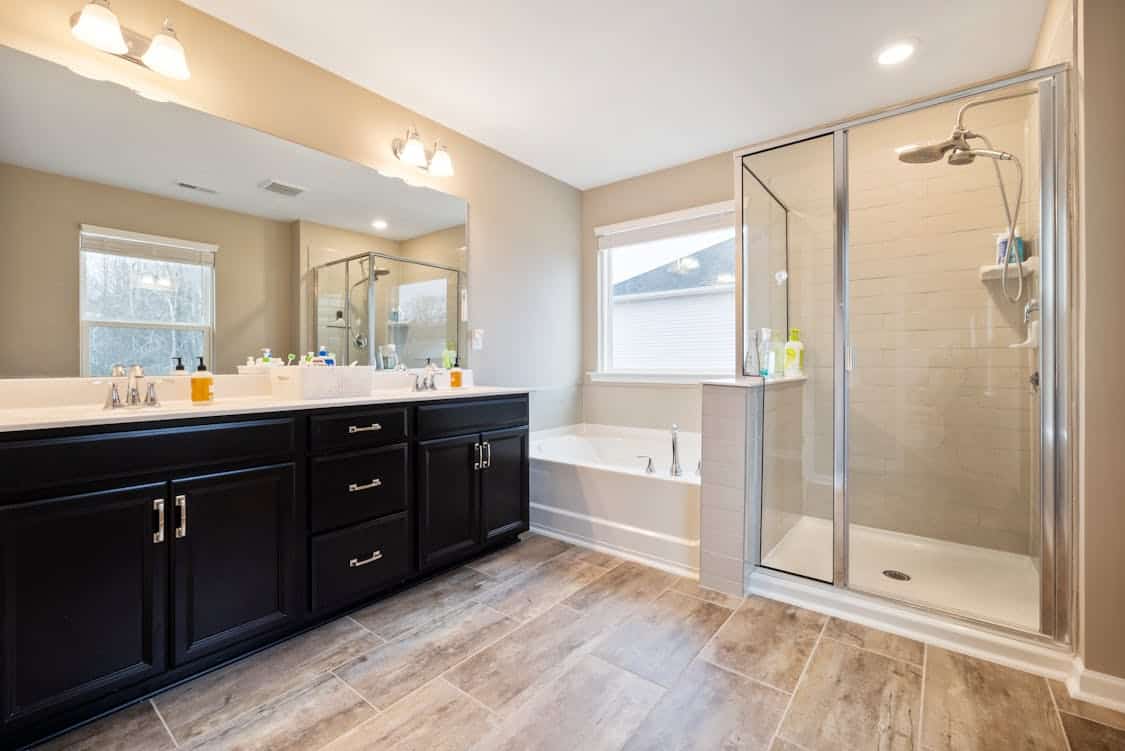
A small puddle may seem harmless until an unsteady step turns it into a dangerous fall given slower reflexes and fragile bones that are common with age.
Wet floors, warped mats, and dripping ceilings create a mix of hazards that can be hard to foresee because they often appear in the same spots seniors use the most.
Bathrooms and kitchens are prime trouble zones, areas where mobility aids and canes must work on solid, dry surfaces so confidence does not turn into a trip. Fixing leaks and keeping floors dry pays off in fewer bruises, fewer fractures, and much less worry.
Mold Growth And Respiratory Harm
Hidden leaks feed mold that can release spores into the air and aggravate breathing conditions that older adults often carry with them, leading to persistent coughing, chest tightness, and repeated trips to the clinic.
Mold often hides behind walls, under flooring, and above ceilings so visual checks alone will not always catch it before it affects health. When air quality drops, chronic illnesses may flare and energy levels fall, making everyday tasks feel like climbing a hill. Timely repair and drying prevent that slow creep from turning a house into a hazard.
Electrical And Fire Risks When Plumbing Fails
Water and electricity never make good company and a stray stream from a broken pipe can reach wiring, outlets, and appliances, creating a serious risk of shock or fire that older residents may be less able to respond to.
Corroded water heaters and faulty connections around laundry machines can spark trouble at odd hours, and a small puddle near an outlet is more dangerous than it sounds.
For householders who sleep lightly or who have hearing loss, a late night emergency can spiral quickly before anyone knows what happened. Keeping plumbing in tip top shape helps reduce that striking risk and keeps the lights on safely.
Medication Management And Personal Hygiene Challenges
Reliable plumbing supports pill taking routines, wound care, and bathing, and when water stops flowing the simplest tasks become complex and risky for elders who rely on consistency.
Infections set in faster if wounds cannot be kept clean, and certain medications require water for swallowing or mixing so interruptions create confusion and missed doses.
Bathing becomes hazardous when hot water fails or when drains do not clear, and a lack of safe personal care may lead to skin breakdown and hospital visits. A stitch in time here not only comforts but also preserves health routines that keep seniors independent.
Financial Strain And Access To Repair Services
Repair bills pile up fast when small leaks are ignored and a slow drip becomes a flooded floor, and limited retirement budgets make such sudden expenses difficult for many older homeowners to handle. The search for trustworthy tradespeople can be stressful, and scams or rushed patch jobs only add to long term costs when quality is missing.
Insurance may not cover neglect related damage, and delays in action often equal larger repair jobs that strain savings or force hard choices. Planning ahead with basic maintenance, trusted contacts, and clear priorities keeps households on firmer footing so money goes to comfort not crisis.