
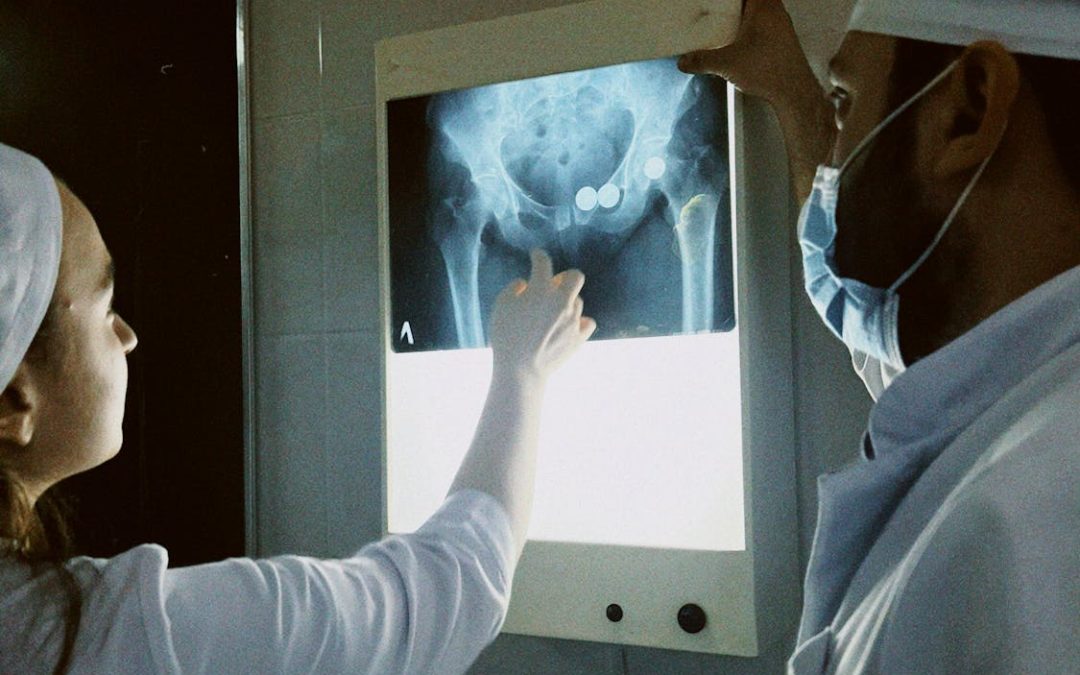
Imaging centers face daily pressure to deliver accurate reads fast while keeping patients calm and staff effective. Artificial intelligence can act as a smart assistant that flags worrisome findings, speeds routine checks, and reduces repeat exams.
Staff see the benefits when routine load shrinks and focus shifts to complex cases that need human judgment and care. A pragmatic roll out that pairs technology with clinical oversight often wins trust and yields steady gains.
Improved Diagnostic Accuracy
AI algorithms can help detect small patterns in scans that might be easy to miss during long shifts, boosting the overall hit rate for critical findings. By pairing image analysis with familiar reporting workflows, teams can cross check results and reduce human slip ups that occur with fatigue.
Radiology groups report fewer follow up scans when early subtle signs are surfaced, and that lowers patient anxiety and resource waste. Words like diagnose diagnosing diagnosis diagnostic may appear repeatedly in logs and reports, and that repetition helps learning systems fine tune performance.
Accelerated Image Processing And Turnaround
Automated pipelines handle large batches of images with steady speed, shaving minutes or more off routine reads so patients get results sooner. Faster processing helps keep the schedule moving smoothly and reduces bottlenecks at high volume times without sacrificing quality checks.
Quick triage of urgent cases means clinicians can act sooner on critical findings, often a safe bet for better outcomes. When image analysis repeats phrases such as image analysis image analysis in internal metrics, teams can track consistency and throughput across shifts.
Streamlined Workflow And Task Prioritization
Smart queues and prioritization models sort work so urgent studies are seen earlier while routine cases follow a clear path, making many hands make light work of a heavy caseload. Staff no longer need to mentally juggle every pending exam because rules and score thresholds help guide daily choices in an intuitive way.
That clarity reduces friction at handoffs and keeps reporting flowing without constant manual triage of dozens of items. Small deviations from protocol can be flagged for review, which keeps the human in the loop for corner cases and oddities.
Enhanced Patient Experience And Throughput

Patients benefit when wait times shrink and reports arrive sooner, and they also pick up on the calm that comes from a clinic that runs with purpose.
Improvements like these represent real results from imaging centers that have invested in smarter imaging workflows and supportive technologies. Faster scheduling for follow ups and fewer repeat scans reduce stress for families and can cut travel burdens for those who come from afar.
When appointment books move steadily, staff morale often rises too, because stressors that come from backlog tend to evaporate. A friendly tone and clear explanations combined with quick service go a long way toward building trust.
Augmented Support For Radiologists And Technicians
Rather than replacing experts, tools act like extra sets of eyes that suggest likely areas of interest and free specialists to focus on interpretation and decision making. Trainees and newer technologists gain a safety net, where suggestions help shorten learning curves without undermining judgment.
Seasoned readers can use suggestions as a second opinion to confirm or question an impression, which keeps professional standards sharp. At times the algorithm flags oddball findings and the human step steps in to provide context that software cannot infer.
Cost Control And Better Resource Use
Cutting unnecessary repeats and optimizing scanner time help control operational spend and protect margins in a tight market. When fewer rescans are needed and scheduling is efficient, the center sees better equipment utilization and smoother payroll alignment.
That kind of fiscal breathing room often funds staff training or upgrades to patient amenities, which pay back in satisfaction. Small wins add up, and a series of modest savings can change the bottom line without drastic upheaval.
Quality Control And Standardized Reporting
Algorithms apply consistent rules to image interpretation and quantification, which reduces variability between readers and shifts. Standard templates and measurements help ensure that a report from one shift reads much like a report from another, which is useful for tracking disease over time.
Audits become simpler when common metrics are logged in the same format, and that makes chart review less of a slog. When teams repeat certain n grams such as measurement measurement measurement in reports, patterns emerge that support continuous improvement.
Rich Analytics For Clinical And Business Decisions
Aggregated metrics can reveal which study types drive volume, where delays stack up, and which protocols yield higher diagnostic yield, helping leaders plan intelligently. Clinicians can spot trends in disease prevalence or recurring artifacts that point to training needs or equipment checks.
Administrators gain clear views on throughput, referral patterns, and capacity bottlenecks that guide scheduling and staffing moves. When reports collect repeated tokens like follow up follow up or scan repeat repeat, those n gram clusters become signals for action.
Security Practices And Regulatory Readiness
Modern systems come with logging, access controls, and audit trails that support patient privacy and legal requirements while keeping change histories clear. Careful implementation includes vendor assessments and staged testing so that new components do not interrupt patient care or clinical data flows.
Regular reviews of model performance and versioning records keep teams prepared for inspections and help explain how decisions were reached. Clear documentation and routine checks make the elephant in the room smaller and help staff sleep a little easier on busy nights.