
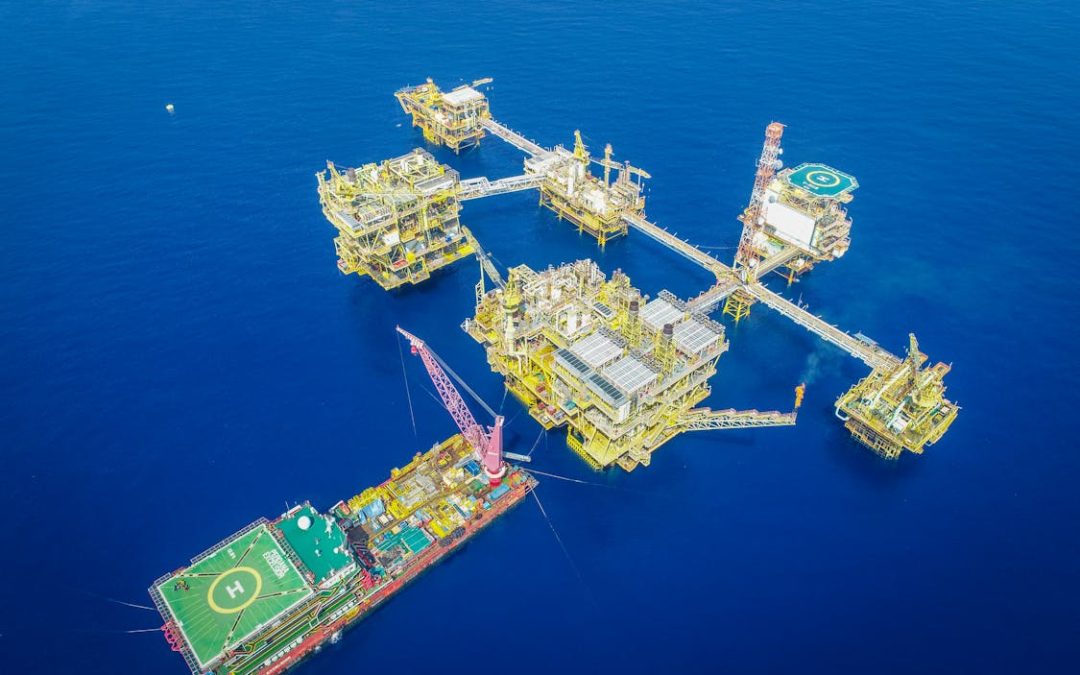
Offshore projects put materials through a real trial by fire with salt spray, waves and shifting loads making life hard for piping systems. Duplex steel pipes bring a mix of high strength and corrosion resistance that often makes engineers sit up and take notice.
There is no one size fits all answer, yet the traits of duplex alloys change the calculus for many applications where reliability pays off. Below the surface we will look at the mechanics, the trade offs and the contexts where duplex may be the smarter pick.
Corrosion Resistance And Service Life
Duplex steel owes much of its appeal to a microstructure that combines ferrite and austenite phases, which gives it a strong defense against chloride stress corrosion cracking common offshore. In seawater and in wet sour gas environments the alloying with chromium, molybdenum and nitrogen slows attack and keeps pits from turning into fatal flaws.
That translates into longer intervals between maintenance outages and a longer service life for buried or submerged lines. Operators often find that upfront expense can be repaid by fewer repairs and lower risk of unplanned stops.
Mechanical Strength And Ductility
Duplex grades typically deliver yield strength that is roughly double that of conventional austenitic stainless steels, which allows for thinner walls at given pressure ratings and a lighter overall system. At the same time the material retains sufficient ductility to bend and form without cracking when proper thermal controls are maintained during fabrication.
Thin wall designs reduce platform weight and lessen fatigue load, which can simplify support structures and handling. The combination of strength and workable formability is one reason duplex enters the shortlist for high pressure pipelines and risers.
For critical offshore lines where both corrosion resistance and strength are essential, a Duplex 2205 pipe can give engineers the confidence to design thinner, lighter systems without compromising safety.
Fatigue And Fracture Resistance
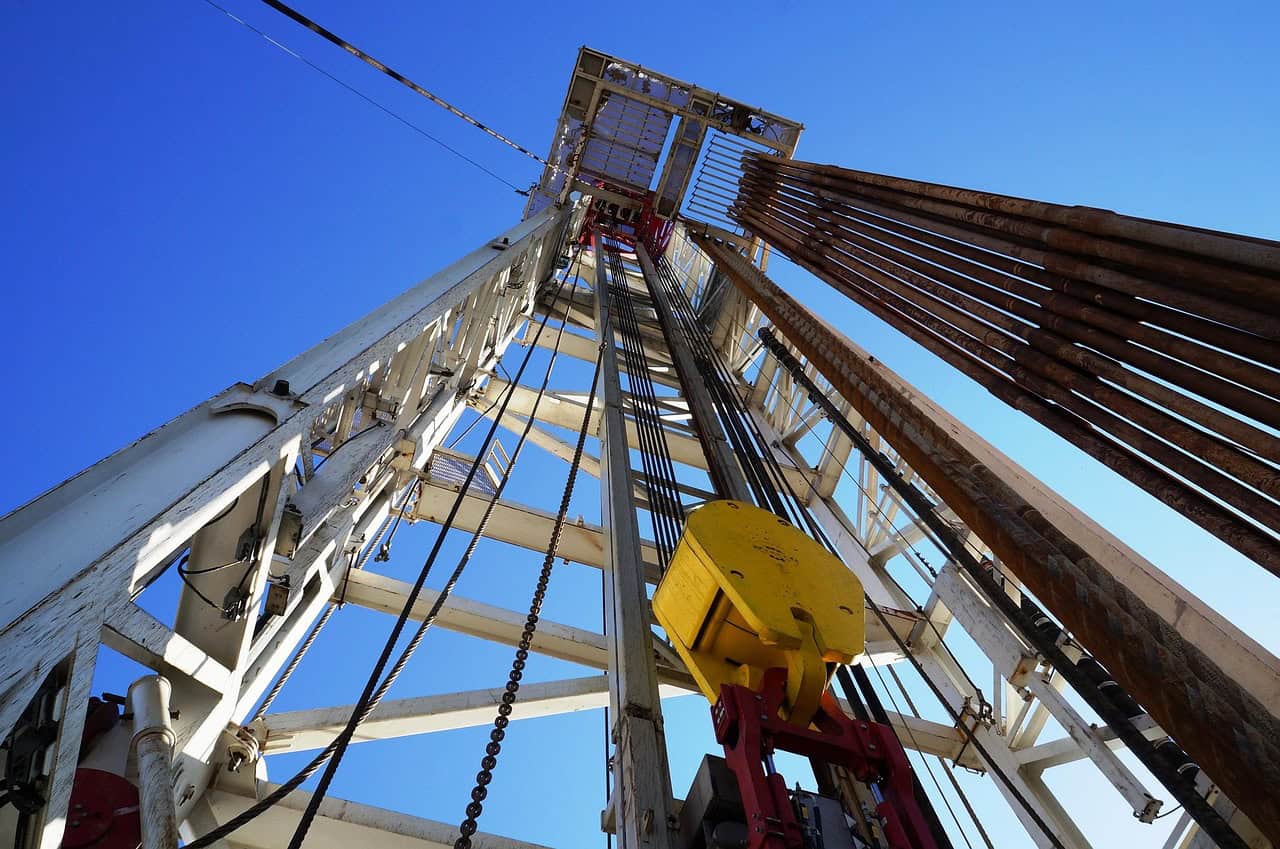
Offshore piping faces cyclic loads from waves, vessel motion and thermal swings, and here material response to repeated stress governs long term integrity. Duplex steels tend to show good resistance to high cycle fatigue, with crack initiation delayed by the tougher microstructure and slower crack growth rates under many common loading spectra.
Fracture toughness at lower temperatures remains acceptable for many service scenarios, but careful selection of grade and control of heat input are part of keeping performance consistent. When fatigue is the central worry, a thorough fatigue assessment backed by targeted testing will give confidence before committing to a design.
Welding And Fabrication Considerations
Welding duplex pipe requires a steady hand on procedure control, with attention paid to heat input and interpass temperature so the desired phase balance is kept and coarse grain zones are limited. Prequalification of procedures and welders plus use of matching filler metals reduce surprises in the field and help avoid zones with poor corrosion resistance.
Field repairs are workable but need documented steps and often non destructive testing to verify that welds meet the same standard as base material. When crews follow the recipe the system comes together well, but ignoring what the material asks for can lead to expensive rework.
Cost And Lifecycle Economics
The raw material price for duplex alloys sits above carbon steel and many stainless options, which can make purchase orders look steep at first glance. When lifecycle cost is tallied into the ledger, lower maintenance, fewer replacements and a reduction in downtime often narrow the gap and sometimes reverse it.
Project planners who are willing to do a whole life analysis often find duplex to be a safe bet where failure carries high penalties or where access for repairs is constrained. The math changes with commodity prices, fabrication labor rates and the chosen corrosion allowance, so each case will produce its own result.
Performance In Harsh Offshore Environments
Salt laden air, splash zones and hydrocarbon laden waters put a variety of chemical and mechanical stresses on any pipe specification that sails seaward. Duplex is resilient to many of the chemical attacks typical offshore and most grades resist localized attack better than many common alternatives.
In services that combine chlorides with elevated temperature the material still needs design care and sometimes higher alloy content to keep pace. There is no magic bullet, but in rough seas duplex often keeps the lights on when lesser alloys would call a time out.
Standards Inspection And Quality Control
Project specifications for offshore piping often reference international standards and require documented inspection regimes from fabrication through installation and into service. Duplex systems benefit from thorough non destructive testing, corrosion monitoring and periodic metallurgical checks to confirm phase balance and hardness remain within targets.
Traceable records and batch level testing are not optional when the operating environment punishes small mistakes, and regulators or clients will ask for proof that the material will behave as claimed. A tight quality loop from mill to platform reduces surprises and helps projects run on schedule.
Environmental And Safety Factors
Material selection for offshore assets has to weigh the human and ecological stakes when a leak or failure occurs, and making a safe choice is both moral and practical. Duplex pipes lower the frequency of corrosion related failures and therefore cut the cumulative risk to people and the sea alike, especially where repair access is limited and weather windows are small.
Recycling of stainless alloys at end of life is well established and often reduces net environmental burden compared with repeated replacement of lower grade steels. Choosing a tougher material can feel like buying insurance, and in many offshore programs that is a policy worth paying for.