
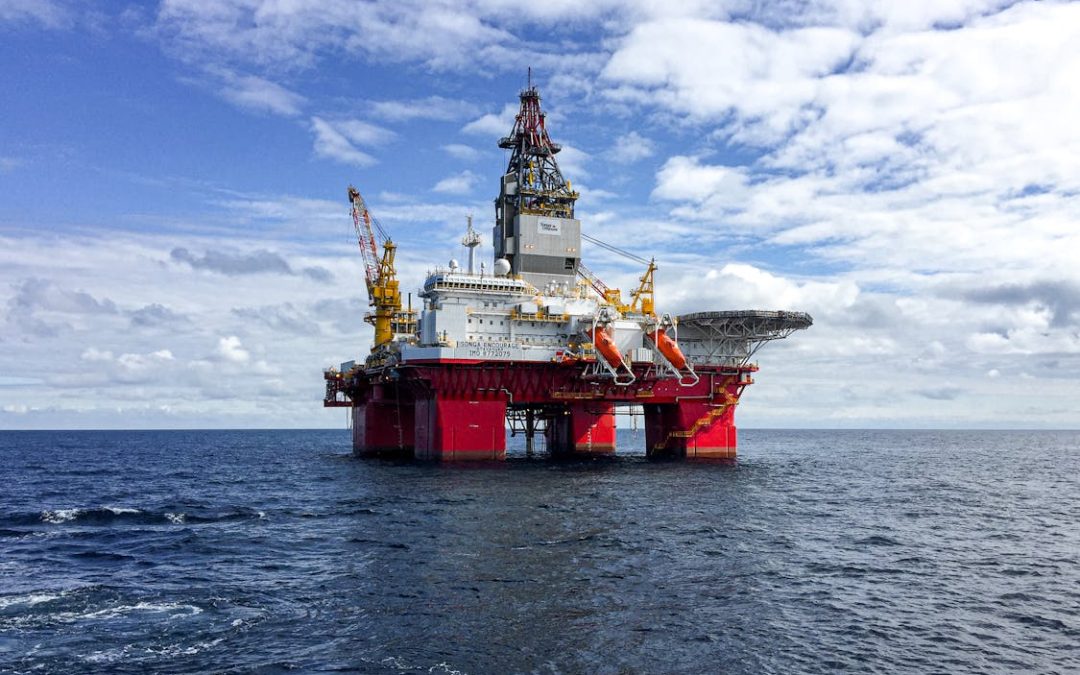
Offshore Oil Rigs stand as bold intersections of marine engineering and industrial process. They host drilling equipment, processing plants and living spaces in a setting where wind waves and salt constantly press their case.
Creating such platforms calls for a balance between weight strength and practicality so that operations run smoothly and crews stay safe. The visible tower is often just the tip of the iceberg for a labyrinth of pipes pumps and control systems.
Structural Types And Foundations
Rigs come in many forms that match water depth and seabed conditions with operational goals. Fixed platforms rest on piled steel frames that anchor into the seabed and offer great stiffness for shallow waters while gravity based systems sit on massive bases that use weight to resist forces.
In many shallow water projects, engineers rely on high capacity steel pipe piles to secure the jacket firmly into the seabed and provide the backbone for long term stability.
Floating solutions like semi submersibles and production vessels keep operations viable in deep waters by using buoyancy and motion dampening to keep the process steady. Choice of foundation affects not only the build cost but how crews move about and how the platform weathers storms.
Topsides And Module Layout
The topside is where crude gas and life support share real estate in a compact footprint that must make sense to people who will work there day and night. Process modules for separation treatment and storage are arranged to reduce pipe runs and to keep hazardous areas away from accommodation and control centers.
Practical passageways, stairways and ladders help crews travel quickly yet safely while service zones and equipment access points reduce time lost to repairs. The layout often reflects an iterative approach where lessons learned offshore inform the next project plan.
Materials And Corrosion Control
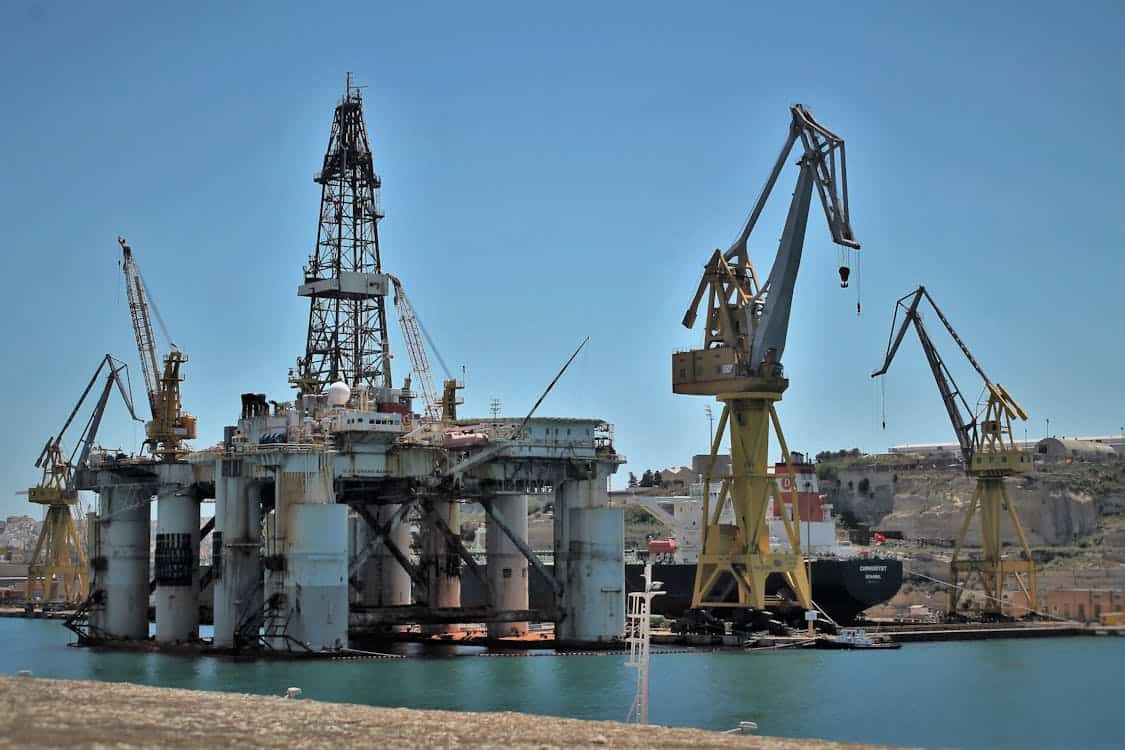
Material choice is a running theme from the jacket to the smallest valve and the wrong pick can cost a fortune over time. Steel alloys, protective coatings and sacrificial anodes form a layered defense against the sea that eats at structures relentlessly.
Regular inspection, replacement and targeted maintenance keep deterioration from turning into failure and smart monitoring can spot trouble long before it forces evacuation. A good corrosion program is like an insurance policy that pays out in operational days rather than emergency stops.
Safety Systems And Redundancy
Safety systems are not an add on; they are baked into the whole concept so that a single fault does not turn into catastrophe. Fire detection automatic suppression and gas monitoring sit alongside emergency shutdown systems that isolate wells and stop flow in moments when alarms go off.
Redundancy appears in duplicated control paths, spare pumps and parallel power sources so the rig can limp on if one line goes down. Evacuation plans lifeboats and muster procedures are rehearsed on a schedule so people act clearly when the pressure is on.
Mooring And Station Keeping
Keeping a platform where it needs to be matters more than one might think when cranes must reach and risers must stay aligned. Spread mooring systems use anchors and chains while taut leg arrangements apply constant tension to limit movement in rough weather.
For mobile units dynamic positioning relies on thrusters and sensors to maintain location without anchors and brings precision that anchors cannot match in deep water. The choice between anchors and thrusters reflects trade offs in flexibility cost and the type of work the unit will do.
Maintenance And Inspection Practices
Maintenance is where design meets reality and what looks tidy on paper often reveals faults under salt spray and fatigue loads. Planned maintenance intervals guided by data and by visual checks help teams replace parts before they fail rather than react under pressure.
Non destructive testing and remote inspection tools let engineers peer into welds and pipelines without taking everything offline which saves time and reduces risk. A culture that treats maintenance as part of operations keeps the rig humming and prevents small problems from snowballing.
Logistics And Living Quarters
Life offshore blends the routine of a small town with the demands of heavy industry and planners must juggle supply schedules crew rotations and comfort. Accommodation blocks include sleeping rooms mess halls and recreation areas that give crews a place to rest and recharge after long shifts.
Helicopter decks, supply cranes and transfer systems support a steady flow of parts and personnel and must be reliable because delays carry a heavy price. Getting logistics right is often said to hit the nail on the head for operational efficiency.
Environmental Impact And Decommissioning
Environmental measures shape many design choices from flare stacks to waste handling and the way discharges are managed during normal work and during upset events. Monitoring systems track emissions, leak detection and local water quality so that operators can act if thresholds are crossed and regulators can evaluate performance.
When a field reaches the end of life planning shifts to removal or safe abandonment with plans to restore the seabed and leave nothing that will cause harm. Decommissioning is costly and time consuming so foresight in the original design can reduce later headaches.
Future Trends And Innovation
New approaches combine robotics sensors and digital models to do work once considered too risky or too slow to attempt in the open sea. Automated inspections and remote operated systems reduce the number of people needed in exposed locations while allowing work to continue in harsher weather.
Modular construction and plug and play equipment speed up installation and tend to lower the time a project spends in transit and in build yards. The challenge is to adopt new methods in a way that keeps safety tight and does not rock the boat for crews who have learned the old ways.