
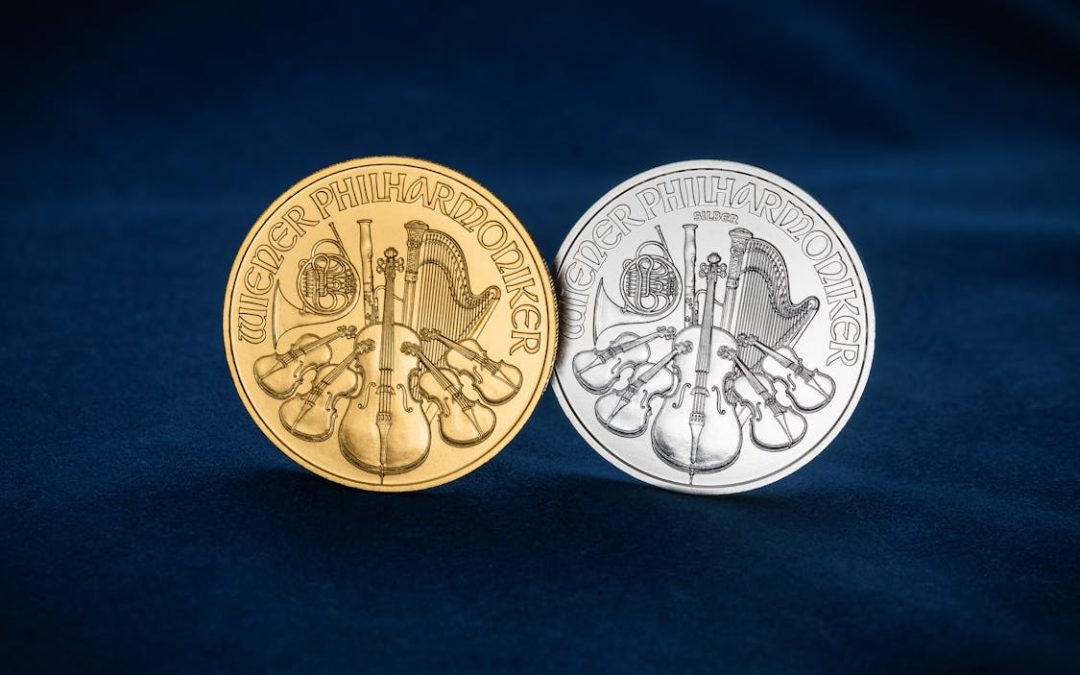
Gold and silver have been linked to wealth and trade for thousands of years, and they still find a place in many long term financial plans. Investors often look at precious metals for reasons that go beyond short term price swings, aiming to preserve purchasing power across economic cycles.
A clear sense of why and how to own these assets helps people avoid common pitfalls and match holdings to objectives. The following sections break down roles, choices, and pragmatic steps for folding gold and silver into multi decade strategies.
Why Precious Metals Matter Over Time
Gold and silver act as long standing stores of value when currencies wobble and confidence in paper claims weakens, offering a tangible counterpoint to purely digital claims on wealth.
Both metals carry historical weight that shapes investor psychology, which can help dampen panic selling when paper markets jitter, though emotions can also magnify moves in either direction.
Their supply dynamics are unlike those of equities or bonds, with mining output and above ground stocks changing incrementally, and that slow churn gives them a different risk profile.
Over many decades returns reflect safe haven bids, industrial demand shifts and monetary trends, so an awareness of that ebb and flow supports disciplined holding.
Gold Versus Silver Roles And Differences
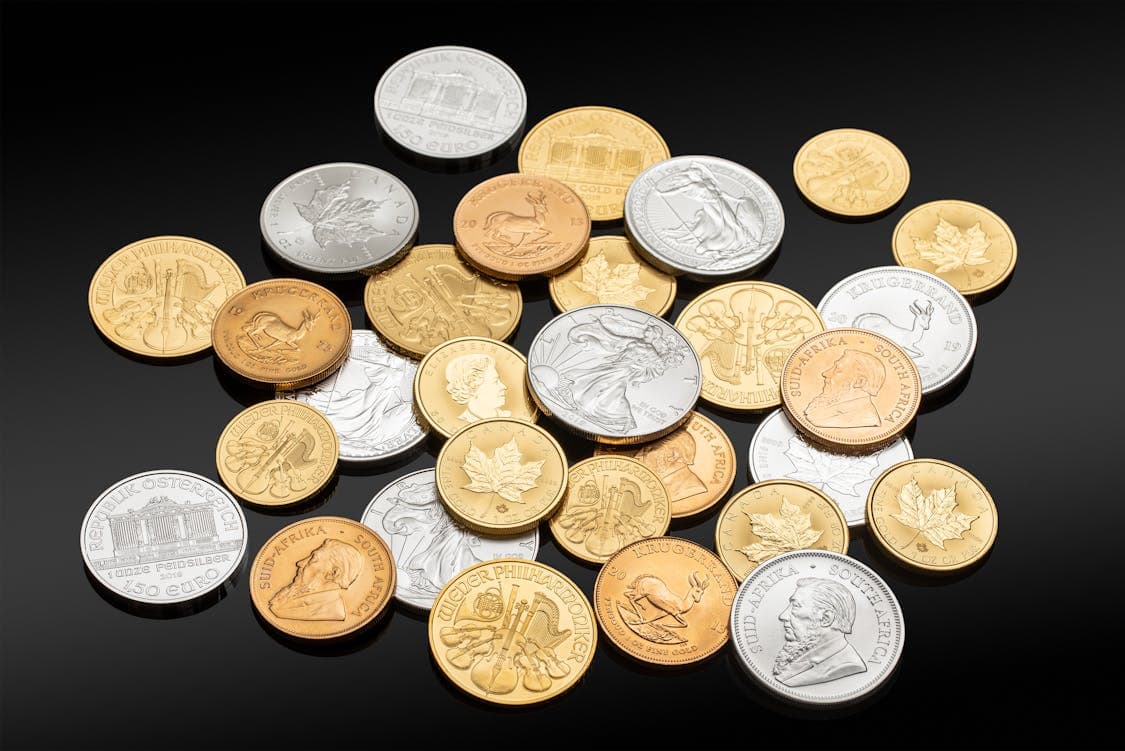
Gold tends to behave more like a monetary metal and often sees demand from central banks, jewelry buyers and private savers, which makes it a frequent portfolio anchor for wealth preservation.
Silver plays a twin role, serving both as a store of value and as an industrial commodity used in electronics, solar panels and medical equipment, which links its price to economic activity in a way gold is less tied to.
That industrial link can boost silver gains on the upside and deepen drawdowns on the downside, creating wider swings that patient holders must tolerate. When thinking about allocation, it helps to remember that gold normally offers lower volatility and silver provides greater volatility with potential for higher returns over cyclic expansions.
How Precious Metals Fit Into Portfolio Allocation
Allocating a slice of capital to gold and silver is about hedging exposures that stocks and bonds carry, not replacing those core assets, and a modest portion can smooth returns over long holding periods.
Many planners suggest percentages that vary with age, risk appetite and macro views, and a rule of thumb can be adjusted by personal goals and liquidity needs.
Rebalancing sells some gains of high performing assets to restore target weights, which forces discipline and can capture metal strength without emotional timing. Using a steady allocation reduces the temptation to chase metals when headlines turn dramatic and helps align metal holdings with retirement timelines or legacy plans.
Physical Metal Versus Paper Exposure
Owning physical coins or bars means direct possession and the comfort of a tangible claim, yet it also brings premiums at purchase, storage needs and a duty to verify authenticity when selling.
For those looking to diversify their holdings, it’s important to know where and how to buy gold and silver from trusted sources that ensure authenticity and fair pricing.
Financial instruments such as exchange traded funds and allocated accounts remove storage hassles and often trade with tight spreads, but they add counterparty layers and sometimes tracking differences that matter over many years.
Futures contracts and leveraged products are typically unsuitable for a patient saver looking to hold across decades, since leverage can magnify costs and create forced exits during stressed markets.
The right form of ownership depends on whether an investor values ease of trading and low direct costs or prefers the psychological and operational control of physical metal kept under lock and key.
Risks And Costs To Watch
Price volatility is inherent in precious metals, and rapid moves can trigger emotional reactions that lead to poor timing decisions or unwanted tax events when selling into strength.
Transaction spreads, dealer markups and assay charges can erode returns for small purchases, so buying in larger increments or through reputable channels helps lower per unit costs.
Storage arrangements involve fees and choices about insured custody versus home safekeeping, and improper handling or weak chain of title can complicate later transfers to heirs.
Fraud and counterfeit items remain realities in some markets, so verifying pedigree, maintaining records and working with trusted dealers reduces exposure to scams that hurt long term performance.
Practical Strategies For Long Term Holding
A plan that stretches across decades often benefits from disciplined purchases at regular intervals, which averages price entry and reduces the risk of buying a peak with a lump sum allocation.
Stacking physical metal gradually over time avoids timing frenzy and creates a tangible ladder of positions that can be drawn upon if needed for liquidity events.
For those who prefer paper exposure, low cost funds with clear audits and allocated holdings tend to be more aligned with buy and hold mentalities than vehicles built for active trading.
Periodic review of holdings, not frequent tinkering, keeps strategy aligned with life changes such as retirement, moves or estate shifts while keeping transaction costs modest.
Tax And Estate Issues For Precious Metals
Tax treatment for gains varies by jurisdiction and by the form of holding, with some countries treating bullion sales as collectibles and others applying standard capital gains regimes, so clarity on rules helps keep surprises at tax time to a minimum.
Retirement accounts in some places can hold certain types of gold and silver under defined restrictions, offering tax deferred growth but also imposing custody guidelines that differ from private ownership.
Estate planning requires clear documentation and accessible storage instructions so heirs can locate and transfer assets without dispute, and naming custodians or trustees explicitly avoids lengthy searches.
Proper paperwork, appraisal records and clear beneficiary designations smooth the handoff and preserve value across generations.