
PARTY OF THE WEEK
The Night Club
About Us
With us, have fun with a twist! We infuse a different freshness into partying just for you!

Celebrations

Moustache Monday
Alta Tuesday


Ginger Wednesday
GET MORE

BUFF UGLY THURSDAY

JAGER SUNDAY

Create Your Own World
If you’re not happy being in someone else’s, don’t hesitate to create your own magical world!
Make Fun
Latest News

Is Bullion a Good Investment Choice Today? Discover Why
In recent years, the question of whether bullion is a smart investment has gained traction. With market volatility and fluctuating economic conditions, many are turning their eyes towards precious metals.
This article explores the factors influencing bullion’s allure, its advantages and disadvantages, and how it stacks up against other investment options.
Understanding Bullion
Bullion refers to precious metals, typically gold and silver, that are traded based on their weight and purity rather than their form. Investors may acquire bullion in the form of coins, bars, or ingots.
The intrinsic value of these metals is driven by their scarcity, historical significance, and industrial applications.
Gold has held a prominent position as a hedge against inflation and currency fluctuations. Silver, while also valuable, often finds a place in both investment and industrial uses, such as electronics and solar panels.
Both metals have unique characteristics that appeal to a diverse array of investors.
The Appeal of Gold
Gold has been seen as a symbol of wealth for centuries. Its glittering appeal and psychological draw make it a favorite among investors. Historically, during times of economic uncertainty, many flock to gold to preserve value.
When fiat currencies face challenges—be it inflation, recession, or political instability—gold often shines. This makes it a go-to asset for those looking to safeguard their wealth.
Additionally, central banks across the globe continue to accumulate gold reserves, further boosting its status as a safe haven.
Silver: The Underrated Investment
Silver, often overshadowed by gold, presents unique investment opportunities. Its price point is generally lower, making it accessible for average investors.
Beyond its investment appeal, silver has significant industrial demand, especially in technology and renewable energy sectors.
However, silver can also be more volatile than gold. Price swings can be dramatic, influenced by factors such as mining output and industrial demand. This volatility can be both a risk and an opportunity, depending on market conditions.
Economic Indicators and Bullion Prices
Bullion prices are influenced by various economic indicators. Inflation rates, interest rates, and geopolitical tensions all play pivotal roles. When inflation rises, the purchasing power of currency diminishes, leading investors to seek refuge in valuable assets like gold.
Conversely, rising interest rates can negatively impact bullion prices. Higher rates often strengthen the dollar, making gold less attractive.
Monitoring these indicators can offer insight into potential price movements, aiding informed investment decisions.
Diversification Benefits
In the investment realm, diversification is often the name of the game. Bullion provides a unique opportunity to diversify a portfolio.
When stocks and bonds face downturns, precious metals often hold their ground or even appreciate. This inverse relationship can be a buffer against market turbulence.
Many investors also find that boosting their portfolio performance with precious metals helps balance risk while maintaining steady growth potential.
Moreover, bullion’s tangible nature sets it apart from paper assets. Owning physical metal can provide peace of mind in uncertain times. It’s a tangible store of value, not subject to the whims of digital markets or financial institutions.
Risks to Consider
While bullion comes with a host of benefits, it’s not without its risks. One significant drawback is storage and insurance costs. Physical bullion requires secure storage, which can lead to additional expenses that chip away at potential profits.
Market liquidity is another concern. While gold is highly liquid, selling silver can sometimes be trickier, particularly in larger quantities. Understanding the market dynamics is essential before diving into bullion investments.
Comparing Bullion to Other Investments

When weighing bullion against other assets, it’s useful to consider the broader investment landscape. Stocks, bonds and real estate each have their strengths and weaknesses.
Stocks offer the potential for high returns but come with inherent risks. Bonds provide fixed income but can be vulnerable to interest rate changes. Real estate often appreciates over time but requires substantial capital and can be illiquid.
Bullion, with its historical stability, offers a unique alternative. It avoids some of the pitfalls associated with other asset classes while providing a hedge against inflation.
The Role of Supply and Demand
The fundamentals of supply and demand play a crucial role in bullion prices. For instance, if mining production declines due to regulatory changes or resource depletion, the supply of bullion may tighten, driving prices up.
Conversely, if new discoveries increase the supply significantly, prices could suffer.
Understanding these dynamics can help investors make more educated decisions. Keeping an eye on global mining trends and technological advances in extraction can offer valuable insights into potential price movements.
The Future of Bullion Investment
Looking ahead, several factors could shape the future of bullion as an investment. The ongoing geopolitical tensions, climate change discussions, and economic policies will all play a part in determining the attractiveness of precious metals.
As more people become aware of the need for secure investments, the demand for bullion may increase. Additionally, the rise of digital gold platforms may introduce bullion investment to a new generation, making it more accessible than ever.
Bullion in a Portfolio Strategy
Incorporating bullion into an investment strategy can be a prudent choice, particularly in uncertain times. A balanced approach that includes precious metals along with stocks, bonds, and alternative investments can create a well-rounded portfolio.
Investors should assess their risk tolerance, investment goals, and market conditions before committing significant resources to bullion. A smaller allocation to precious metals can serve as a safety net, protecting against unforeseen market fluctuations.
Regulatory Factors Impacting Bullion
Regulations surrounding bullion trading can differ widely across countries. Some nations impose strict policies regarding ownership and trading, while others are more lenient.
Understanding the legal landscape in your jurisdiction is essential before diving into bullion investments.
Changes in taxation laws can also impact the profitability of bullion investments. Keeping abreast of regulatory shifts will provide clarity and aid in making informed choices.
Emotional Considerations in Investing
Investing isn’t just about numbers. Emotional factors can heavily influence decisions, often leading to impulsive choices. The allure of precious metals can evoke strong feelings of security and wealth, making them appealing during turbulent times.
Recognizing these emotions can help investors maintain objectivity. A well-thought-out strategy, grounded in research and data, can mitigate the risks associated with emotional decision-making.
Smart Ways to Manage Finances While Studying Abroad
Studying abroad can be a thrilling adventure, full of new experiences and opportunities. However, it’s also a time where financial management becomes essential.
Budgeting wisely can mean the difference between enjoying your time overseas and stressing over money. Here are some strategies to keep your finances in check while you expand your horizons.
Create a Comprehensive Budget
Begin with a detailed budget plan. List all possible income sources, such as scholarships, part-time jobs, and parental support. Next, outline your anticipated expenses, including tuition, housing, food, transportation, and leisure activities.
By breaking down your finances, you can identify areas where you might save money.
Using budgeting apps can streamline this process. Many programs allow you to track spending in real time, giving you insights into your habits. Regularly updating your budget helps you stay on top of your financial game.
Explore Affordable Housing Options
Housing can be one of the biggest expenses while studying abroad. Look beyond traditional student accommodations.
Consider options like shared apartments or homestays, which may provide a more affordable solution. Websites dedicated to student housing often feature listings that fit various budgets.
Another tip? Check out local social media groups or forums. Many students post about available rooms or sublets, often at lower prices than official listings. This can lead to finding a hidden gem that suits your needs.
Maximize Student Discounts
Being a student comes with perks, especially discounts. Many businesses offer reduced prices on transportation, dining, and attractions. Always carry your student ID, as it can unlock savings you might not even know existed.
Research local discount programs or cards tailored for students. They often provide benefits that can significantly reduce your expenses. In some cities, transit passes or attraction tickets are available at a fraction of the regular price.
Open a Local Bank Account
Setting up a local bank account can save you from hefty international transaction fees. Research banks that cater to students and provide options with low maintenance fees.
A local account also allows easier access to cash and makes managing everyday expenses more straightforward. Services like Roam college help international students open banking accounts quickly and easily, tailored specifically to their financial needs abroad.
Be sure to inquire about available services, such as mobile banking or online transfers. These features can provide ease of access and keep your finances organized.
Limit Eating Out
Dining out can quickly drain your wallet, especially in a new country where prices can vary significantly. Try to limit meals at restaurants or cafes. Instead, consider cooking at home.
Not only can this be more economical, but it also allows you to explore local markets for fresh ingredients and engage in the culture.
Plan your meals for the week, which can help reduce impulse purchases. If you do eat out, look for special deals or student nights. Many restaurants offer discounts on specific days, so keep an eye out.
Use Public Transportation

Navigating a new city can be daunting, but using public transport is often the most budget-friendly option. Familiarize yourself with local transit systems and their costs. Many cities provide discount passes for students, making travel more affordable.
Walking or cycling whenever possible can also save money. Not only does this cut costs, but it allows you to explore your surroundings more intimately. A simple stroll can lead to discovering hidden gems within your new environment.
Embrace Free Activities
Take advantage of free or low-cost activities around you. Many cities host events or festivals, offering a taste of local culture without breaking the bank.
Museums, parks, and community gatherings often have free admission days that can enrich your experience.
Get involved with student groups or clubs, which often organize events and outings at little to no cost. This is an excellent way to meet new friends while enjoying local activities without stretching your budget.
Keep Track of Currency Exchange Rates
Understanding the currency exchange rates can save you a significant amount of money. Use apps or websites to monitor real-time exchange rates, helping you determine the best times to exchange money or make purchases.
Be cautious with currency exchange services; they often charge higher fees than local banks. Try to exchange money at reputable banks or ATMs for more favorable rates. Knowing the current rate can help you avoid being taken advantage of in touristy areas.
Consider Part-Time Work
If your visa allows, consider finding part-time employment while you study. Many students take on jobs in cafes, retail, or tutoring, providing not only extra cash but also valuable work experience.
Balancing work and study can be challenging, but it’s a great way to meet locals and practice the language. Look for jobs that offer flexible hours, allowing you to prioritize your education first.
Plan for Unexpected Expenses
Life can throw curveballs, especially when living abroad. Set aside an emergency fund to cover unexpected costs, such as medical bills or travel changes. Even a small amount saved each month can build a cushion for unforeseen circumstances.
If possible, research available insurance options for students. Some universities offer health insurance plans that may be more affordable and provide better coverage than local alternatives.
Network with Fellow Students
Engage with fellow students to share tips on financial management and local insights. Your peers can offer valuable advice on where to shop, eat, and find the best deals. They might even have experience navigating the financial landscape of your new home.
Forming study groups can also help you save money on resources. Sharing textbooks or notes can lighten the financial burden while enhancing your learning experience.
Use Technology Wisely
Technology can be a great ally in managing finances. There are numerous apps designed specifically for budgeting, expense tracking, and even currency conversion.
Using these tools can simplify your financial management, allowing you to focus more on your studies and less on money worries.
Make sure to subscribe to newsletters or follow local deal websites. Often, these platforms alert you to special offers or discounts that can enhance your experience without costing a fortune.
Be Cautious with Credit Cards
Using credit cards can be convenient, but they can also lead to overspending if not managed carefully. If you choose to use one, ensure you understand the terms and conditions, especially regarding foreign transaction fees.
Pay attention to the interest rates and avoid accumulating debt. A good rule of thumb is to pay off the full balance each month to avoid interest charges. This practice not only keeps you debt-free but also improves your credit score.
Review and Adjust Regularly
Lastly, make it a habit to review your financial situation regularly. Assess your budget and spending habits to identify areas for improvement. Life changes quickly, especially when studying abroad, so remaining flexible and adjusting your plans accordingly is key.
Set aside time each month to analyze your financial situation. Celebrate your successes, whether you managed to save a little extra or cut back on unnecessary expenses.
This reflection not only helps keep you on track but can also motivate you to stay committed to your financial goals.
By employing these strategies, managing your finances while studying abroad can be a lot more manageable. Keep your eyes peeled for opportunities, stay organized, and make the most of your experience without breaking the bank.

Why Do Contractors Prefer Epoxy Flooring? Explained
Epoxy flooring has gained significant traction among contractors in recent years. It’s not just a trend; it’s a solution that addresses multiple needs in both commercial and residential spaces. Let’s unpack the reasons behind this growing preference.
Durability and Longevity
One of the standout features of epoxy flooring is its durability. When properly applied, epoxy can withstand heavy foot traffic, machinery, and even spills.
This resilience makes it a popular choice for warehouses, garages, and industrial spaces where wear and tear occur regularly. Contractors appreciate that once installed, they don’t have to worry about frequent repairs or replacements.
Moreover, the lifespan of epoxy can reach up to 20 years or more, depending on the application and maintenance. This longevity translates to less hassle for contractors and their clients, ensuring that the surface remains functional and appealing for years to come.
Versatility in Application

Epoxy flooring is incredibly versatile, adapting seamlessly to various environments. Whether it’s a sleek finish for a modern office space or a more robust solution for a factory setting, epoxy can cater to diverse requirements.
For projects demanding a high-end finish across different settings, many contractors turn to seamless commercial and residential coatings that deliver both aesthetic appeal and structural performance. Contractors find this adaptability beneficial, as it allows them to serve a wide range of clients and projects with varying needs.
Additionally, the application process of epoxy can be customized. With options like different colors, finishes, and textures, contractors can tailor the flooring to match the aesthetic preferences of their clients. This flexibility not only enhances the design aspect but also increases the appeal of their services.
Cost-Effectiveness
Contractors also favor epoxy flooring due to its cost-effectiveness. While the initial investment might seem higher than traditional flooring options, the long-term savings are substantial. The reduced need for maintenance, repairs, and replacements plays a significant role in lowering overall costs.
Furthermore, installation time is often shorter compared to other flooring types, allowing contractors to complete projects more efficiently. This efficiency means they can take on more projects within the same timeframe, ultimately boosting their bottom line.
Resistance to Chemicals and Stains
Another compelling reason for the popularity of epoxy flooring is its resistance to chemicals and stains. This characteristic is especially advantageous in industrial settings where spills might occur.
Contractors appreciate that the flooring can resist oils, solvents, and other substances that would typically damage traditional flooring options.
The ability to easily clean epoxy surfaces is another factor that appeals to contractors. They know that maintenance will be a breeze for their clients, which can lead to higher satisfaction rates and repeat business.
Safety Features
Epoxy flooring can also enhance safety in various settings. Many contractors opt for slip-resistant additives that can be mixed into the epoxy, providing a safer surface for both workers and customers.
This consideration is particularly important in commercial spaces where accidents could lead to serious liabilities.
Moreover, epoxy floors are resistant to impacts, which helps reduce the risk of injuries in environments where heavy objects might fall or be dropped. Contractors understand that investing in safety features not only protects clients but also positions them as responsible service providers.
Aesthetic Appeal
The aesthetic advantages of epoxy flooring should not be overlooked. With a wide array of colors, patterns, and finishes available, contractors can create a visually appealing environment. This is particularly important in retail and hospitality settings, where first impressions matter.
The glossy finish of epoxy also reflects light, making spaces appear brighter and more inviting. Contractors find that this not only enhances the client’s vision but can also lead to increased foot traffic in commercial establishments.
Easy Installation Process
Contractors appreciate the relatively straightforward installation process of epoxy flooring. Unlike some traditional flooring options that can take days or even weeks to install, epoxy can often be applied in a much shorter time frame.
The preparation of the concrete surface is crucial; however, once properly prepped, the application of epoxy can be completed in a single day. This quick turnaround time allows contractors to meet tight deadlines, which is often a significant consideration for many clients.
Minimal Maintenance Requirements
Once installed, epoxy floors require minimal maintenance, which is a significant selling point for contractors. Regular sweeping and occasional mopping usually suffice. This low-maintenance requirement is especially appealing to business owners who are often busy managing daily operations.
Contractors know that by recommending epoxy flooring, they are providing their clients with a solution that simplifies upkeep and preserves the floor’s appearance and functionality over time.
Environmental Considerations
In a time when sustainability is more important than ever, contractors are drawn to epoxy flooring for its eco-friendly characteristics. Many epoxy products are low in volatile organic compounds (VOCs), making them safer for indoor air quality.
Additionally, the longevity of epoxy flooring means that it doesn’t need to be replaced as frequently as other types, reducing waste over time. This environmental awareness resonates with clients looking for sustainable solutions, thus enhancing the contractor’s reputation.
Customization Options
Contractors love the myriad of customization options available with epoxy flooring. From unique colors to decorative flake systems, the possibilities are endless. This ability to customize enables contractors to meet specific client demands and create a unique aesthetic that sets their work apart.
Custom logos and designs can also be integrated into the epoxy, making it an excellent choice for branding purposes. This feature is particularly attractive for businesses looking to make a lasting impression.
Epoxy flooring has solidified its place as a preferred choice among contractors for various compelling reasons. Its durability, versatility, and cost-effectiveness make it an attractive option for both contractors and their clients.
With benefits ranging from aesthetic appeal to safety features, it’s no wonder that more contractors are recommending epoxy flooring for their projects.

Top 5 Path Lighting Styles That Improve Curb Appeal
Enhancing the curb appeal of a property often begins with thoughtful lighting choices. Path lighting, in particular, can dramatically transform the look and feel of an entryway or garden path.
The right lights not only provide safety and functionality but also add a touch of aesthetics, making your home more inviting. Here, we explore five popular path lighting styles that can elevate your home’s exterior charm.
1. Solar Path Lights
Solar path lights are a popular choice for homeowners looking for an eco-friendly option. They harness sunlight during the day and illuminate paths at night, requiring no wiring or electricity.
This self-sustaining feature makes them incredibly easy to install, offering a hassle-free way to brighten your outdoor spaces.
These lights come in various designs, from sleek modern fixtures to more traditional lantern styles. Depending on your home’s architecture, you can choose designs that blend seamlessly into the overall aesthetic.
The variety available means you can find a style that speaks to you, whether it be minimalist, rustic, or ornate.
One of the advantages of solar path lights is their energy efficiency. With no electricity costs, they not only save money but also reduce your carbon footprint. Homeowners can enjoy a well-lit path without worrying about the impact on their utility bills.
Maintenance is another attractive aspect of solar lights. They typically require very little upkeep, mostly just the occasional cleaning of the solar panels to ensure optimal performance.
This means you can spend your time enjoying your outdoor space rather than constantly maintaining it.
2. LED Step Lights

LED step lights are practical and stylish options for illuminating stairs and pathways. They are designed to be integrated into the architecture of your home, often installed directly into steps or along walls.
For tailored lighting designs that suit your home’s unique architecture, many homeowners turn to trusted plano landscape lighting professionals for expert installation and guidance. This integration creates a seamless look while providing essential safety lighting.
These lights often come in various colors and intensities, allowing homeowners to customize their outdoor illumination. Whether you prefer a warm glow for a cozy atmosphere or a brighter light for enhanced visibility, LED step lights can accommodate your preferences.
Beyond their aesthetic appeal, LED lights are energy-efficient and long-lasting. Unlike traditional bulbs, they use significantly less energy and have a lifespan that can extend for years.
This means you won’t need to replace them frequently, making them a cost-effective choice in the long run.
The installation process varies depending on your home’s layout. While some homeowners may feel comfortable handling the installation themselves, others may prefer to consult a professional.
Regardless, these lights can provide both safety and style, enhancing your home’s overall curb appeal.
3. Lantern-Style Lighting
Lantern-style path lights are classic fixtures that evoke a sense of charm and nostalgia. Whether they are traditional gas lamps or modern electric designs, they bring a unique aesthetic that can transform the entrance to your home.
These lights often feature intricate designs, adding character to your outdoor space.
The warm glow produced by lantern-style lighting creates an inviting atmosphere, perfect for welcoming guests. They can be placed along pathways, near entryways, or even in garden beds to create a cohesive look.
The design versatility ensures that there is a style for every home.
These fixtures can be made from various materials, including metal, glass, and even wood. Each material offers a different vibe, allowing you to select lanterns that complement your home’s architectural style. The right choice can tie together the overall look of your exterior.
Maintenance for lantern-style lights can vary based on the materials used. Metal may require occasional polishing, while glass needs cleaning to keep its shine.
However, the aesthetic payoff is often well worth the effort, making these lights a delightful addition to any outdoor space.
4. In-Ground Lighting
In-ground lighting is an innovative way to create subtle yet impactful illumination along your paths and gardens. These lights are embedded directly into the ground, providing a clean and unobtrusive lighting solution.
When done correctly, they can highlight landscape features while ensuring safety for anyone walking through.
The design possibilities for in-ground lights are almost limitless. From simple, flush-mounted fixtures to more elaborate designs, there’s an option to suit every aesthetic. Homeowners can choose lights that focus on illuminating specific areas or those that cast a wider glow for general lighting.
Another advantage of in-ground lighting is its durability. Built to withstand various weather conditions, these fixtures are ideal for outdoor use. When installed professionally, they can provide lasting performance without requiring significant maintenance.
One of the benefits of this style is its ability to create a layered lighting effect. By combining in-ground lights with other forms of path lighting, you can achieve a visually striking result that enhances the overall curb appeal of your home.
This layered approach allows you to guide guests along pathways while highlighting key features of your landscape.
5. Smart Path Lights
Smart path lights are at the intersection of technology and design, making them a cutting-edge choice for modern homes. These lights can be controlled via smartphones or smart home systems, allowing for customizable lighting schedules and brightness levels.
This convenience adds a new dimension to outdoor illumination.
With smart path lights, you can adjust the settings from the comfort of your home. Whether you want brighter lighting for a late-night gathering or softer tones for a cozy evening, the flexibility is at your fingertips.
This technology also allows for energy monitoring, helping you manage usage effectively.
Design-wise, smart path lights come in numerous styles and finishes. From sleek, minimalist designs to more traditional looks, you can find options that align with your home’s aesthetic. Many models are also energy-efficient, utilizing LED technology for long-lasting performance.
Installation may require some technical know-how, especially if integrating with existing home automation systems. While some homeowners prefer to handle this themselves, others might consult an expert.
Regardless, the modern flair they bring can significantly enhance your home’s curb appeal, making it stand out in the neighborhood.
Incorporating any of these path lighting styles can create a welcoming and attractive entryway to your home. Each option offers unique advantages, ensuring that you can find the perfect lighting to suit your personal taste and lifestyle.
Whether you lean toward traditional lanterns or cutting-edge smart lights, the right path lighting can elevate your property’s exterior, inviting admiration from all who pass by.

How Pipe Repair Technology Has Evolved Over the Years
Pipe repair has evolved significantly from simple manual fixes to advanced, technology-driven solutions. Early methods relied on basic materials like cloth and putty, offering only temporary relief from leaks and damage.
Innovations such as mechanical fittings, trenchless technology, and smart monitoring systems have revolutionized the industry, enhancing efficiency and extending the longevity of repairs.
As technology continues to advance, the future of pipe repair promises even greater efficiency, sustainability, and precision.
Early Methods of Pipe Repair
In the past, repairing pipes was a labor-intensive process involving manual labor and rudimentary tools. Before the advent of modern technology, plumbers relied heavily on their hands and simple tools to fix leaks and breaks.
Techniques such as wrapping cloth or using putty were common. Notably, these methods provided only temporary fixes, often leading to repeated repairs.
At this time, the concept of long-term solutions was not a consideration, highlighting the need for advancements.
The Rise of Mechanical Fittings
As the industrial age progressed, the emergence of mechanical fittings transformed the repair landscape. These fittings allowed for quick connections that could be easily adjusted or removed.
For example, the introduction of couplings and clamps enabled plumbers to make repairs without needing to replace entire sections of pipe. This innovation not only reduced labor costs but also minimized downtime.
The ability to efficiently manage repairs marked a significant shift, paving the way for further developments.
Introduction of Pipe Inspection Techniques
The 20th century saw the introduction of various pipe inspection technologies. Video cameras and inspection tools became game-changers, allowing plumbers to see the inside of pipes without invasive measures.
This capability led to more accurate diagnoses of issues and better planning for repairs. It became possible to pinpoint leaks, breaks, or blockages quickly.
With local plumbers ready for any job, you can rest assured that the latest technology will be used to accurately diagnose and address any pipe issues before they become major problems.
Consequently, this revolutionized how repairs were approached and executed, enabling a more proactive stance in pipe maintenance.
Advancements in Materials
The materials used in pipe repair also evolved significantly over the years. Early plumbing systems primarily utilized cast iron and clay, which had their limitations in terms of durability and resistance to corrosion.
The introduction of PVC and PEX revolutionized the industry. These materials offered greater flexibility and resistance to chemicals, making them ideal for modern plumbing needs.
By replacing aging pipes with these new materials, repairs could be handled more efficiently and with longer-lasting results.
The Advent of Trenchless Technology
By the late 20th century, trenchless technology began to gain traction. This method allowed for the repair and replacement of pipes without extensive digging.
Techniques such as pipe bursting and horizontal directional drilling minimized disruption to the surrounding environment. Homeowners and businesses appreciated the reduced restoration costs associated with this technology.
More importantly, it led to faster repairs, allowing facilities to resume operations swiftly.
Smart Technology Integration
As technology continued to advance, the integration of smart technology into pipe repair became evident. Sensors and IoT devices can monitor pipe conditions in real-time, providing alerts for potential problems before they escalate.
This predictive maintenance approach reduces emergency repairs and associated costs. With data-driven insights, professionals can determine the best times to conduct maintenance, ensuring systems remain functional and efficient.
Eco-Friendly Solutions
In recent years, a strong emphasis on sustainability has emerged in pipe repair technology. Eco-friendly materials and methods prioritize minimal environmental impact.
Companies now utilize biodegradable products and techniques that reduce waste. Furthermore, repairing existing pipes rather than replacing them aligns with sustainable practices, conserving resources.
This shift reflects a growing awareness of the environmental responsibilities within the industry.
The Role of Robotics in Pipe Repair

Robotics has begun to play a significant role in pipe repair and maintenance. Automated systems equipped with cameras can navigate through pipes, performing inspections and even making minor repairs.
Drones are also being used to assess larger systems, allowing for comprehensive inspections without the need for scaffolding or ladders.
The use of robotics not only improves safety but also enhances efficiency, providing solutions that were once thought to be science fiction.
Training and Skill Development
With the rapid evolution of pipe repair technology, training and education have become increasingly important. Plumbers now require a deeper understanding of advanced techniques and materials.
Technical schools and apprenticeships have adapted their curricula to include modern technologies, ensuring that new professionals are equipped with the knowledge they need.
This emphasis on skill development reflects the industry’s commitment to maintaining high standards and adapting to technological advancements.
Regulatory Changes and Standards
As pipe repair technology has evolved, so too have the regulations governing the industry. New standards have emerged to ensure safety and quality in repairs.
Compliance with these regulations is essential for businesses aiming to provide reliable services. Licensing and certification processes have also adapted to include new technologies, ensuring that professionals are qualified to handle modern systems.
This regulatory evolution helps maintain public trust in plumbing services.
Future Directions in Pipe Repair Technology
Looking ahead, the future of pipe repair technology holds promising developments. Continued advancements in artificial intelligence could further enhance predictive maintenance capabilities.
Innovations in material science may yield even more durable and sustainable piping solutions. Additionally, the ongoing exploration of data analytics will likely lead to more efficient repair strategies.
These trends suggest an exciting frontier for the industry, offering potential for improvements that can benefit both professionals and consumers alike.

How Did Impressionism Change the Way We See Art? Find Out
Impressionism emerged in the late 19th century, shaking the foundations of traditional art. This revolutionary movement transformed how artists approached their subjects and how viewers engaged with art.
By breaking away from established conventions, Impressionism fostered a fresh understanding of light, color, and brushwork.
A Break from Tradition
Before Impressionism, art was often characterized by meticulous detail and grand themes, typically rooted in history or mythology.
Artists like Jacques-Louis David and Jean-Auguste-Dominique Ingres focused on realism, rendering subjects in a highly polished manner. Impressionists, however, sought to capture ephemeral moments, favoring spontaneity over precision.
This new approach was not just a stylistic shift; it challenged existing art norms. The Impressionists often faced criticism for their loose brushwork and seemingly unfinished paintings.
Critics branded their work as chaotic, a far cry from the controlled elegance of the Academy. Yet, this very chaos allowed for a more genuine and immediate representation of life.
The Influence of Light and Color
One of the most significant changes introduced by Impressionism was the emphasis on light and its effects. Artists like Claude Monet and Pierre-Auguste Renoir experimented with color and shade to depict the play of light on surfaces.
They painted en plein air, or outdoors, capturing the shifting qualities of sunlight and shadow.
By using quick, short brushstrokes, Impressionists conveyed the vibrancy of natural scenes. The colors became brighter, no longer confined to traditional palettes.
This shift encouraged viewers to appreciate the way light interacted with objects, leading to a more dynamic experience in observing art.
The Everyday as Subject Matter

Another hallmark of Impressionism was the focus on everyday life. Rather than grand historical narratives, Impressionists turned their attention to ordinary scenes: bustling streets, serene gardens, and intimate moments among friends.
This choice of subject matter democratized art, making it accessible and relatable to the average person.
Instead of depicting heroes or divine figures, these artists celebrated the beauty of the mundane. Works like Monet’s “Impression, Sunrise” and Renoir’s “Luncheon of the Boating Party” invite viewers to find joy in simple pleasures.
This shift fostered a newfound appreciation for common experiences, encouraging a connection between the viewer and the artwork.
The Emergence of Individual Perspective
Impressionism also ushered in a shift toward individual interpretation. Each artist approached subjects through their unique lens, emphasizing personal expression.
This was a departure from previous artistic conventions that prioritized technical skill and adherence to established styles.
For example, while Monet focused on atmospheric effects, Edgar Degas redefined impressionism with his unique artistic vision, particularly in his exploration of movement and the human form, especially ballet dancers.
Their distinct approaches offered diverse interpretations of similar subjects, encouraging viewers to engage with art on a more personal level. The viewer’s experience became as important as the artwork itself, highlighting individuality in perception.
The Role of Brushwork
Brushwork played a pivotal role in transforming the viewer’s experience. Impressionists employed visible, energetic strokes to create texture and movement, breaking away from the smooth surfaces of traditional art.
This technique not only conveyed motion but also added an emotional layer to the work.
When observing a painting like Monet’s “Water Lilies,” one can almost feel the gentle ripples of water or the soft rustling of leaves.
The brushwork invites the audience to immerse themselves in the scene, bridging the gap between the artwork and their emotional response. This tactile quality altered how viewers interacted with paintings, allowing for a more visceral experience.
The Impact of Exhibitions
The Impressionists were not just artists; they were also savvy marketers. Organizing independent exhibitions allowed them to showcase their work outside the confines of traditional galleries.
These exhibitions often took place in unconventional spaces like warehouses, making art accessible to a broader audience.
Focusing on self-promotion significantly changed how art was perceived. The public’s engagement grew, leading to greater interest and appreciation for modern art movements.
Over time, this shift created a platform for future generations of artists to explore new styles and themes without the limitations of institutional approval.
The Legacy of Impressionism
The influence of Impressionism extends far beyond its initial period. It sparked a series of movements, including Post-Impressionism, Fauvism, and even Abstract Expressionism.
Artists continued to experiment with color, form, and perspective, challenging the boundaries of what art could be.
Furthermore, Impressionism’s legacy shaped the way art is taught and understood today. Concepts of light, color theory, and the importance of individual perspective are now staples in art education.
The movement’s emphasis on personal expression laid the groundwork for modern artistic practices, promoting freedom and innovation.
Changing Viewers’ Engagement with Art
Before Impressionism, viewers often approached art with a sense of reverence, admiring skill and technique. The shift to Impressionism encouraged a more active engagement.
Viewers began to interpret art through their own experiences and feelings, rather than solely focusing on the artist’s intent.
This change fostered a deeper connection between art and its audience. People started to appreciate the emotion conveyed through vibrant colors and dynamic compositions, igniting a sense of wonder and curiosity.
Instead of passive observers, individuals became active participants in the artistic dialogue, allowing for a richer engagement with the work.
The Global Influence of Impressionism
Impressionism’s reach was not confined to France; its influence spread worldwide. Artists in various cultures began to adopt and adapt Impressionistic techniques to reflect their own environments and experiences.
From the American painters of the Hudson River School to Japanese artists blending Impressionism with traditional styles, the movement transcended geographical boundaries.
This global exchange of ideas further enriched the art world. Each artist brought their unique cultural perspective, resulting in a diverse tapestry of approaches inspired by the core tenets of Impressionism.
This cross-pollination of styles contributed to the development of modern art globally.
How to Protect Your Pipes from Corrosion and Damage
When it comes to home maintenance, pipes often take a backseat. Yet, protecting your plumbing is vital to avoid costly repairs and ensure smooth operations.
To tackle corrosion and damage, it’s essential to understand the various factors influencing your pipes and take proactive measures.
Understanding Pipe Corrosion
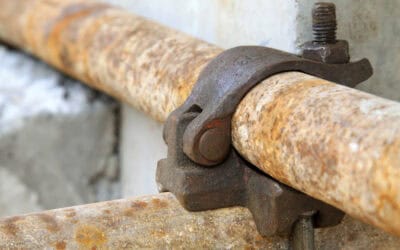
Corrosion occurs when metal pipes react with water and other substances over time. Factors like water quality, temperature, and the presence of oxygen can accelerate this process.
For instance, water with high acidity can lead to quicker deterioration of metal materials. Over time, small pinholes and leaks can form, which might go unnoticed until they result in significant damage.
Common Types of Corrosive Agents
Chlorine: Often added to municipal water supplies for disinfection, chlorine can be harsh on metal pipes, accelerating corrosion.
Oxygen: The presence of oxygen in water can lead to oxidation, especially in iron and steel pipes.
Acids: Low pH water can eat away at metal, leading to significant structural issues.
Understanding these agents will help you identify potential risks before they evolve into more significant problems.
Regular Inspections
Routine inspections should be a priority. Scheduling periodic checks can help you spot early signs of corrosion or wear. Look for rust spots, discoloration, or damp areas around your pipes.
It might be worth your while to hire a professional for a comprehensive evaluation every few years. If you want to ensure quick attention to any plumbing concerns, a company that offers fast response for plumbing issues is an excellent choice.
What to Look For
Visible Rust: Any signs of rust on metal pipes are a clear indicator of corrosion.
Leaking: Damp patches or water stains can signal leaks in hidden areas.
Water Quality: Changes in water taste or smell might indicate pipe degradation.
Regular inspections can save you from unexpected plumbing disasters.
Managing Water Quality
One of the simplest ways to protect your pipes is by ensuring good water quality. You can achieve this by testing your water and treating it as necessary. If your water is acidic or contains high levels of chlorine, consider installing a water softening or filtration system.
Water Treatment Solutions
Water Softeners: These can help neutralize acidity and prevent limescale buildup.
Filters: Installing a filtration system can reduce harmful chemicals and contaminants, helping to maintain pipe integrity.
Addressing water quality not only protects your plumbing but also enhances overall health and safety.
Insulating Your Pipes
Insulating your pipes can be an effective method to prevent corrosion caused by temperature fluctuations. When pipes are exposed to cold air, they can freeze and expand, leading to cracks and leaks. Insulation helps maintain a consistent temperature, providing a protective barrier.
Types of Insulation Materials
Foam Insulation: This is a versatile option, suitable for various pipe sizes and materials.
Heating Tape: This can be applied to particularly vulnerable pipes, providing additional heat during frigid temperatures.
Taking these measures can significantly reduce the risk of damage during harsh weather conditions.
Choosing the Right Pipe Materials
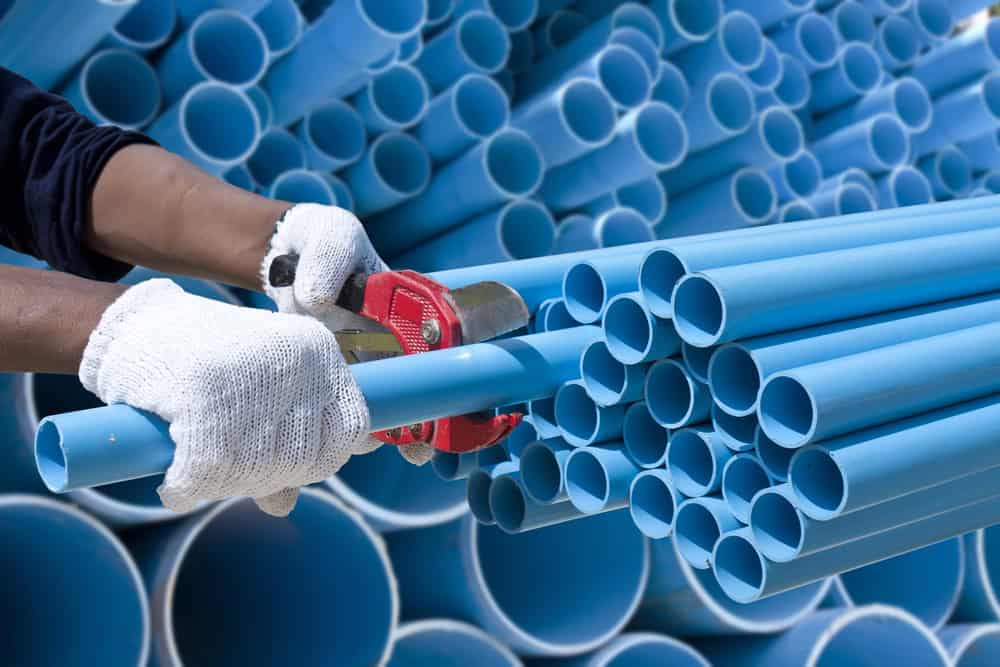
Selecting the right materials during installation can make a world of difference. While copper and galvanized steel have been traditional choices, alternatives like PVC and PEX offer enhanced resistance to corrosion.
Benefits of Modern Materials
PVC: Lightweight, cost-effective, and corrosion-resistant, making it an excellent choice for many applications.
PEX: Flexible and resistant to scale and chlorine, ideal for repiping projects.
Investing in the right materials upfront can save you headaches in the long run.
Proper Drainage and Ventilation
Proper drainage and ventilation systems are essential to safeguard pipes from moisture buildup. Stagnant water can lead to rust and corrosion, while poor ventilation can trap humidity and create ideal conditions for mold growth and pipe deterioration.
Effective Drainage Solutions
Sump Pumps: These can help remove excess water from basements or crawl spaces.
Gutters and Downspouts: Ensure these are clear and functioning to direct water away from your home’s foundation.
Keeping your home dry and well-ventilated is crucial in minimizing risks of pipe damage.
Addressing Leaks Promptly
If you notice any leaks, tackle them head-on without delay. A minor drip can quickly evolve into a significant problem if neglected. Regular maintenance and timely repairs can prevent the escalation of damage, ensuring your plumbing remains in good condition.
Steps to Take When You Find a Leak
Shut Off the Water: Immediately turn off the main water supply to prevent further damage.
Assess the Situation: Determine whether it’s a small fix or if you need professional help.
Repair or Replace: Depending on the extent of the damage, either seal the leak or replace the affected section.
Being proactive about repairs can save you both time and money.
Corrosion Inhibitors
Using corrosion inhibitors can extend the life of your pipes by slowing down the corrosion process. These chemicals are often added to water systems in industrial settings but can also be beneficial for residential use.
Popular Inhibitors
Sodium Nitrite: Often used in closed-loop systems, it creates a protective film on metal surfaces.
Phosphates: These can help control corrosion in water treatment systems.
Consult with a water treatment professional to find the right solution for your home.
Managing Temperature Extremes
Rapid temperature changes can cause pipes to expand and contract, leading to stress and eventual failure. Maintaining a stable indoor temperature, especially during colder months, is essential for pipe integrity.
Strategies for Temperature Control
Thermostats: Use programmable thermostats to maintain a consistent temperature during extreme weather.
Pipe Heating: In especially cold regions, consider installing heat cables for critical sections of your plumbing.
Keeping an eye on temperature can help prolong the lifespan of your plumbing.
Keeping an Eye on Humidity Levels
High humidity can contribute to pipe corrosion. Moisture in the air can settle on pipes, especially in basements and crawl spaces, leading to rust and decay over time.
Humidity Control Methods
Dehumidifiers: Use these in damp areas to reduce moisture levels.
Ventilation Fans: Install fans in areas prone to humidity buildup, such as bathrooms and kitchens.
Maintaining a balanced humidity level is key to protecting your pipes and home.
Routine Maintenance Practices
Establishing a routine maintenance schedule can keep your plumbing in top shape. Simple tasks like cleaning gutters, checking for leaks, and monitoring water quality can go a long way.
Checklist for Effective Maintenance
Monthly Checks: Inspect visible pipes and areas for signs of wear.
Seasonal Preparation: Prepare your plumbing for seasonal changes with specific maintenance tasks.
Staying on top of these practices can mitigate many issues before they escalate.
By following these strategies, you can safeguard your pipes from corrosion and damage, ensuring a reliable plumbing system for years to come. Aim for proactive maintenance, invest in quality materials, and monitor your home’s environment regularly. Being vigilant now can save you from larger headaches down the line.

The Pros and Cons of Using Bluetooth in Rental Cars
In the age of technology, Bluetooth has become a common feature in rental cars, allowing drivers to connect their devices seamlessly.
As with many advancements, this innovation has its advantages and disadvantages. Let’s break down the benefits and drawbacks of using Bluetooth in rental vehicles.
Convenience of Connectivity
One of the primary benefits of Bluetooth in rental cars is the ease of connectivity. Drivers can connect their smartphones with just a few taps, allowing for hands-free calling, music streaming, and navigation aids.
This level of convenience means fewer distractions, enhancing the driving experience while keeping users connected.
Imagine hopping into a rental car and immediately being able to stream your favorite playlist or take a call without fumbling with your phone. This feature can save time and reduce stress, especially for travelers unfamiliar with their surroundings.
The ability to access contacts and navigate with voice commands can be a game-changer, especially during long road trips.
Enhanced Safety Features
Bluetooth technology promotes safer driving habits. Hands-free calling allows drivers to keep both hands on the wheel, minimizing the risks associated with manual phone use.
Many modern rental cars come equipped with safety features that integrate with Bluetooth systems, such as automatic volume adjustments based on engine noise or alerts for incoming messages.
By minimizing distractions and allowing drivers to focus on the road, Bluetooth can assist in keeping both the driver and passengers safe.
This integration of technology with safety measures can foster a more responsible driving environment, especially in unfamiliar areas.
Audio Quality and Streaming
Another advantage of Bluetooth in rental vehicles is the quality of audio streaming. Many Bluetooth systems support advanced audio codecs, providing high-quality sound for music and podcasts.
This feature is particularly enjoyable for those who love to listen to their favorite tunes or catch up on educational content while driving.
Moreover, it eliminates the need for tangled wires and clutter within the car, creating a cleaner and more organized environment.
Listening to music or podcasts through the car’s speakers can enhance the overall driving experience, making long journeys feel more enjoyable.
Potential Technical Issues
Despite its many benefits, Bluetooth technology is not without its flaws. Technical issues can arise, leading to frustration. Connectivity problems may prevent devices from syncing correctly, leaving drivers unable to access their playlists or contacts.
Additionally, some rental cars may have older Bluetooth systems that are slow or incompatible with newer devices.
These challenges can detract from the experience, especially if travelers rely heavily on technology for navigation or communication. The last thing anyone wants while navigating an unfamiliar city is a glitchy connection.
Privacy Concerns
Another aspect worth considering is privacy. When connecting personal devices to rental cars, there’s always the risk of data exposure.
Even if the car rental company has policies in place, the fear of personal information being stored or accessed can lead to discomfort.
Moreover, forgetting to disconnect devices at the end of the rental period can result in lingering connections, potentially allowing future drivers access to previous users’ data.
It’s also important to never sync Bluetooth without being mindful of the data being shared between devices. This concern highlights the importance of being vigilant with technology and personal information when using rental vehicles.
Dependence on Technology
Relying on Bluetooth can make drivers overly dependent on technology. While it’s certainly handy to have navigation and communication at their fingertips, this reliance can diminish one’s ability to navigate without tech support.
For example, if a driver finds themselves in an area with poor signal or an unresponsive device, they may struggle to find their way.
This situation can lead to a sense of disorientation and increased anxiety for those who are not accustomed to traditional navigation methods. It’s essential to maintain a balance between using technology and developing basic navigation skills.
Battery Drain Concerns
Bluetooth connectivity can drain device batteries faster than usual, especially during long trips. Continuous streaming or maintaining a connection while driving can lead to unexpected battery depletion.
For those relying on GPS or music through their phones, a dead battery can become a significant inconvenience.
Travelers may need to invest in portable chargers or find ways to ensure their devices remain powered throughout their journey. While this concern may seem minimal, it can impact the overall rental experience, particularly during extensive travel periods.
Compatibility Issues

Not all devices are compatible with every rental car’s Bluetooth system. Different vehicles may have varying levels of technology integration, resulting in inconsistent user experiences.
This inconsistency can lead to confusion when connecting devices, particularly for users with multiple devices or those unfamiliar with the rental car’s system.
It’s essential for travelers to familiarize themselves with the car’s Bluetooth capabilities before hitting the road. Having a basic understanding of how the technology works can alleviate frustration and streamline the connection process.
Cost and Availability
While Bluetooth technology enhances many rental cars, it may not be available in all models or at every rental company. Higher-end vehicles are more likely to feature advanced Bluetooth systems, while budget options might lack this convenience.
This variance can affect a traveler’s overall experience, especially if they are accustomed to certain amenities.
Renters might find themselves drawn to more expensive models simply for the inclusion of Bluetooth, leading to higher costs. For budget-conscious travelers, this could be a significant consideration.
Weighing the pros and cons of technology features against overall rental costs is essential for making informed choices.
User Experience Variability
Finally, user experience can vary widely based on individual preferences and familiarity with technology. While some drivers might find Bluetooth systems intuitive and user-friendly, others may struggle to connect or navigate the various features.
This variability means that what works seamlessly for one person could be a headache for another.
To mitigate potential frustrations, users should consult each vehicle’s manual or digital resources provided by the rental company. Familiarizing oneself with the system before embarking on the journey can ease the transition and enhance the experience.

How to Choose the Right Shuttle Bus Route for Your Needs
Selecting the right shuttle bus route can significantly impact your travel experience. Whether you’re heading to a corporate event, an airport, or a local attraction, understanding how to make the right choice is essential.
Here’s a comprehensive look at various factors to consider when choosing a shuttle bus route that aligns with your needs.
Assess Your Destination
The first step in your decision-making process is identifying your destination. Are you heading to an airport, a conference center, or a popular tourist attraction?
Each destination might have multiple routes available, and knowing exactly where you need to go will help narrow down your options.
Once you’ve pinpointed your destination, check the shuttle services that operate there. Look for routes specifically designed for your location.
For example, if you’re planning a trip from idaho falls to salt lake, choosing the right shuttle route can make the difference between a smooth, efficient journey and one that’s filled with delays.
Some services may provide direct routes, while others might require transfers. Understanding the end point of your journey will set the stage for further considerations.
Check the Schedule
Timing can make or break a travel plan. Shuttle bus schedules vary widely, and this can affect your overall experience. Review the timings for the routes you are considering.
Are they aligned with your travel itinerary? If you have a flight to catch or a meeting to attend, ensure that the shuttle service’s departure times fit snugly into your schedule.
Be mindful of peak hours, too. Buses can get crowded during rush hours, leading to delays. If you can, aim for off-peak times to enjoy a smoother ride. Sometimes, opting for a slightly earlier route can save you from potential headaches down the line.
Evaluate the Duration of Travel

Travel time is another critical factor. Some shuttle routes may take longer due to detours, traffic, or multiple stops. When selecting a route, ask yourself how much time you are willing to spend on the bus.
Use online tools or the shuttle service’s website to get an estimate of the travel duration for each route.
You might also want to compare the duration of different shuttle services. This can guide you in making an informed decision about which route minimizes your travel time while still meeting your needs.
Analyze the Cost of the Service
Budget plays a significant role in your transportation choices. Shuttle services usually come with varying price points based on distance, duration, and amenities. After determining the routes available, compare their costs. Some services may offer discounts for round trips or group bookings.
Balancing cost with convenience is key here. A cheaper service might not always be the best choice if it leads to longer travel times or inconvenient schedules.
Weigh the pros and cons of each option to find a route that fits your financial plan while still meeting your comfort and time requirements.
Consider Amenities Offered
Different shuttle services provide various levels of comfort and amenities. Some may offer Wi-Fi, charging ports, and refreshments, while others might focus solely on getting you from point A to point B.
If you value a comfortable journey, look for shuttle services that prioritize passenger experience.
Reading reviews can also shed light on the amenities provided. Travelers often share their experiences, allowing you to gauge whether a particular service is worth your investment.
If amenities are high on your priority list, don’t hesitate to dig deeper into the services available.
Look into the Shuttle’s Capacity
The capacity of a shuttle can impact your overall experience, particularly if you’re traveling in a group.
Some shuttles are designed for larger groups, while others cater to smaller parties. If you’re traveling with family or colleagues, consider whether the bus can accommodate everyone comfortably.
If you anticipate heavy luggage or equipment, ensure there’s enough space for that as well. Booking a shuttle that suits your group size will help avoid the discomfort of a cramped ride.
Research Reliability and Reviews
Reliability is non-negotiable when it comes to travel. A shuttle service that frequently runs late or has a history of cancellations can cause unnecessary stress.
Look for reviews and testimonials from previous riders. Websites, social media, and travel forums can provide valuable insights into a service’s reputation.
Consider how long the company has been in operation. Established services often have a track record that indicates reliability. Take your time to sift through feedback, and weigh the opinions of many to form a balanced view.
Safety Record and Standards
Safety should never be an afterthought. Before choosing a shuttle route, ensure that the service complies with safety regulations. Check if the shuttle service is licensed and insured. Inquire about the vehicle maintenance practices and the qualifications of the drivers.
Many companies take pride in their safety records and will readily share this information. A quick look into their safety policies can give you peace of mind during your journey.
Flexibility in Booking
Life is unpredictable, and travel plans can shift unexpectedly. A shuttle service that offers flexible booking options can be particularly beneficial. Look for services that allow you to change your reservation without hefty fees or provide options to cancel if your plans change.
Online booking is a popular choice today. Check if the service offers convenient online platforms for easy reservations and changes. This level of flexibility can save you from added stress when plans go awry.
Accessibility Considerations
If you or someone in your traveling party has mobility challenges, accessibility is a critical factor. Many shuttle services have vehicles equipped with ramps and designated seating. Check if the service accommodates those with special needs.
If you’re unsure, don’t hesitate to reach out directly to the shuttle company. They can provide detailed information on their accessibility features, ensuring that your travel experience is both comfortable and accommodating.
Environmental Impact
More travelers today are concerned about the environmental impact of their choices. Shuttle buses typically have a lower carbon footprint compared to individual car rides or taxis, making them a greener option.
If environmental concerns are part of your decision-making process, look for companies that emphasize eco-friendly practices.
Some shuttle services are transitioning to electric or hybrid vehicles. Supporting such companies not only aids in your travel but also contributes positively to the environment.
Comparing Multiple Options
Don’t settle for the first option that pops up. Take the time to compare multiple shuttle services. Craft a list of at least three or four options based on the factors discussed.
By contrasting their schedules, prices, amenities, and reviews, you can make a more informed choice.
Utilizing online comparison tools can simplify this process. Many websites offer side-by-side comparisons of shuttle services, allowing you to evaluate everything at a glance.
This step can save you time and ensure you pick the best possible route.
Finalizing Your Choice
After considering all the factors, it’s time to finalize your choice. Reflect on what aspects matter most to you—be it cost, convenience, or comfort. Trust your instincts and use the information gathered to make the best decision for your travel needs.
Your journey begins the moment you step onto the shuttle bus. Choosing the right route is crucial to ensuring a pleasant experience, so take the time to do it right. Happy travels!

How Can I Prevent My Pipes from Freezing? Discover Now
Winter brings its own magic, but it also brings a fair share of challenges, particularly when it comes to home maintenance. One of the biggest worries homeowners face during colder months is frozen pipes.
When temperatures dip, water inside your pipes can freeze, leading to potential bursts and costly repairs. Let’s explore some effective strategies to prevent your pipes from freezing and dive into the reasons behind these preventive measures.
Why Pipes Freeze?
When temperatures plummet, the water within pipes can begin to freeze. This occurs mostly in pipes that are exposed to cold air, such as those in unheated areas like basements, attics, or outside walls.
As water freezes, it expands, increasing pressure within the pipe. If the pressure exceeds the pipe’s capacity, a rupture can occur, leading to significant damage.
The science behind this phenomenon is straightforward: water freezes at 32°F (0°C). However, pipes can be affected by temperatures much higher than this, especially if they are poorly insulated or not protected from drafts.
Knowing where these vulnerable pipes are located is the first step in preventing freezing.
Insulation
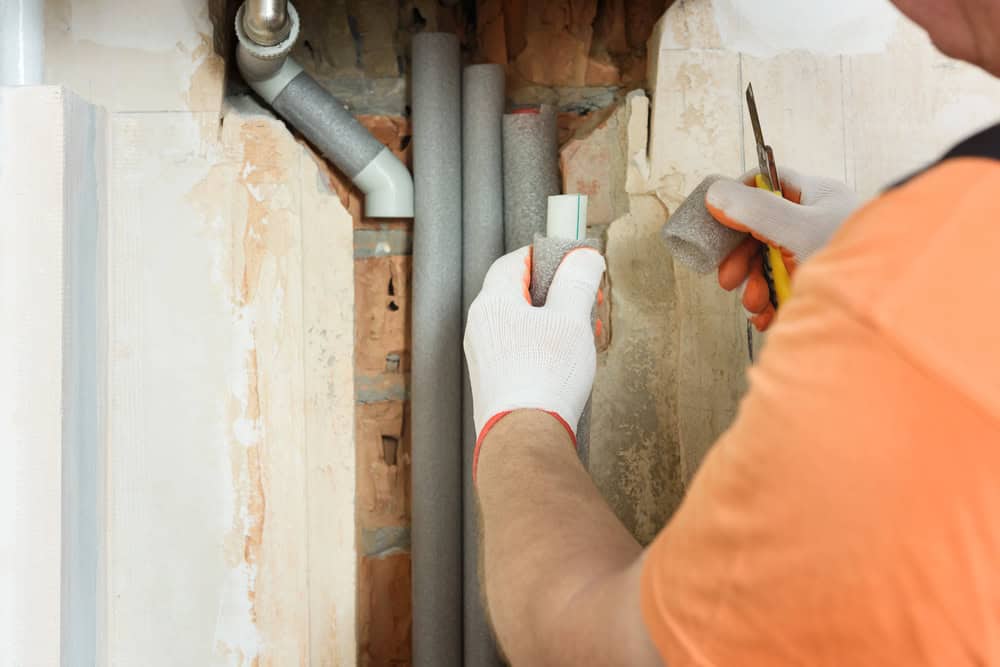
Proper insulation plays a key role in keeping your pipes warm. Insulating the pipes in areas prone to cold can significantly reduce the risk of freezing.
Foam pipe insulation sleeves are inexpensive and easy to install. Simply wrap them around your pipes, focusing on sections that are especially exposed to cold air.
Beyond just the pipes themselves, insulating the spaces around them is vital. Walls, attics, and crawl spaces should all be properly insulated. A well-insulated home holds heat more effectively, diminishing the chances of pipes freezing.
A wichita plumber can provide expert advice on the best insulation options and help you install them, ensuring your pipes stay protected all winter long.
Seal Drafts and Cracks
Drafts can be sneaky culprits when it comes to freezing pipes. Air leaks around windows, doors, and even foundation cracks can let cold air seep in. Walk around your home and look for any gaps or cracks where cold can enter.
Using caulk or weather stripping to seal these areas can help keep cold air at bay.
It’s surprising how small gaps can lead to big problems. A few minutes spent sealing up these areas can save you from headaches later on.
Maintain a Consistent Temperature
Keeping a steady temperature in your home is a simple yet effective way to prevent pipe freezing. Try to maintain a minimum temperature of 55°F (13°C) throughout the house, even when you’re not home.
This doesn’t mean cranking up the heat, but rather ensuring that the thermostat isn’t set too low.
If you plan to be away for an extended period, consider leaving the heat on. You can also open cabinet doors under sinks to allow warmer air to circulate around plumbing.
Letting the Faucet Drip
Letting your faucets drip might feel counterintuitive, but it can keep water flowing and alleviate pressure in the pipes. This is especially useful for faucets connected to pipes that run through unheated areas.
A small stream of water, even just a trickle, can prevent freezing.
This method is often recommended for particularly cold nights. Just imagine waking up to a burst pipe—definitely not a cozy start to the day!
Use Heat Tape or Cables
Heat tape is a special electrical tape that warms pipes, preventing them from freezing. It’s particularly useful for pipes in unheated areas.
Simply wrap it around the vulnerable sections of the pipe, following the manufacturer’s instructions.
Heat cables are another option, and they operate similarly to heat tape. Both solutions are effective in maintaining a temperature above freezing, but they do require electricity to function.
Be sure to check local building codes and guidelines when installing these options.
Keep Garage Doors Closed
If you have water supply lines in your garage, keep the garage doors closed, especially during colder weather. This simple act can help maintain a warmer temperature in the garage, reducing the likelihood of pipes freezing.
In addition to protecting your pipes, it’s wise to keep any items that need warmth, like plants or gardening tools, inside.
Winterize Outdoor Faucets
Outdoor faucets require special attention as they are particularly susceptible to freezing. Before winter sets in, disconnect hoses and drain the water from faucets.
Consider installing insulated covers or faucet caps to provide extra protection.
If you have a separate shut-off valve for outdoor faucets, now is the time to close it. This prevents water from entering the pipes in the first place, reducing the risk of freezing during bitter cold.
Be Mindful of Landscaping
Believe it or not, landscaping can play a role in protecting your pipes from freezing. Avoid planting trees and shrubs too close to your home’s foundation, as roots can damage underground pipes.
Additionally, ensure that downspouts and gutters are properly directing water away from your foundation.
Proper drainage may not seem related to frozen pipes, but it prevents excess moisture from freezing near your home’s foundation and affecting your plumbing.
Monitoring Temperature
Investing in a temperature monitor can be a simple way to keep an eye on areas where you suspect freezing might occur. Some devices can send alerts to your phone if temperatures drop below a certain point.
This allows for timely intervention before a pipe has a chance to freeze.
Stay proactive—if you notice that the temperature in certain areas is dipping, you can take immediate action to protect your pipes.
Know Your Plumbing
Understanding the layout of your plumbing system is essential. Familiarize yourself with the locations of your pipes, especially those in unheated areas.
Knowing where potential problem spots are located allows for targeted measures to prevent freezing.
When winter arrives, that knowledge will be your best ally. You’ll be prepared to take action where it matters most.

Should You Invest in Silver Bullion or Coins? Explained
Precious metal investment is a popular route for many looking to diversify their portfolios. Silver, in particular, stands out for its dual role as both an industrial metal and a store of value.
When considering an investment in silver, one key question surfaces: should you choose bullion or coins? To navigate this decision, let’s break down the fundamentals of both options.
Understanding Silver Bullion
Silver bullion refers to a specific form of silver that is bought and sold based on its intrinsic value and weight. Typically, it comes in bars or ingots, with a purity of at least 99.9%. Bullion is often favored by investors seeking to acquire a large amount of silver due to its cost-effectiveness.
Price Efficiency
Silver bullion usually comes with lower premiums over the spot price compared to coins. This means when you invest in bullion, you’re paying closer to the actual market value of silver.
For someone interested in maximizing their investment, this can make bullion a more appealing option, especially if purchasing in bulk.
Storage Considerations
Bars and larger bullion pieces often require secure storage due to their higher value. Investors may need to think about vaults or safe deposit boxes, which can add to the overall cost.
However, for those comfortable with the logistics, the straightforward nature of bullion can be advantageous.
Exploring Silver Coins
Silver coins, on the other hand, are typically minted by government authorities and carry a face value. Popular examples include the American Silver Eagle and the Canadian Silver Maple Leaf.
These coins often come with added collectors’ value due to their design, history, and limited mintage.
Collectibility and Aesthetics
One of the main draws of silver coins is their aesthetic appeal. Many investors appreciate the artistry and craftsmanship that goes into coin design. This intrinsic beauty can add an emotional connection to the investment, appealing to collectors and investors alike.
Premiums and Value
While coins often come with a higher premium over spot prices compared to bullion, this premium can be justified by their collectibility. Some investors view coins not just as a way to hedge against inflation, but as a potential long-term investment that may appreciate in value due to rarity and demand.
Liquidity: A Key Factor
When considering bullion versus coins, liquidity is crucial. Liquidity refers to how easily an asset can be converted into cash without significantly affecting its price. Both forms of silver have their own liquidity profiles.
Bullion’s Quick Transactions

Silver bullion generally offers high liquidity. Investors can easily sell large bars to dealers or in bulk transactions. It’s a simple exchange where weight and purity are the primary focus. This makes bullion appealing for those who appreciate the ability to sell quickly.
Coins and Market Demand
Silver coins, while also liquid, may vary in demand based on collector interest. A coin’s value can fluctuate based on trends, rarity, and condition. While recognized globally, not all coins will sell as easily as bullion. This factor is key for investors looking for quick returns.
Tax Implications of Silver Investment
Another aspect that cannot be ignored involves the tax implications related to silver investments. Tax rates can differ based on whether you’re dealing with coins or bullion.
Short-Term vs. Long-Term Capital Gains
The sale of silver bullion may be subject to capital gains tax depending on how long you hold the asset. Many investors prefer to hold for the long term to benefit from lower tax rates on capital gains. This is something to keep in mind when planning your investment strategy.
Coin Collecting and Tax Benefits
Interestingly, coin collecting can sometimes afford unique tax advantages. In some jurisdictions, certain coins may be classified under different tax regulations compared to bullion.
It’s wise to look into specific regulations that apply to your situation before jumping in.
Market Trends and Volatility
Investing in silver is not without its risks. The market can be volatile, influenced by factors such as economic conditions, industrial demand, and inflation rates.
Silver as a Hedge
Silver has historically been viewed as a hedge against economic downturns. Investors often turn to silver during uncertain times, which can lead to price increases.
For those looking to capitalize on silver as a hedge, Money Metals provides resources and market insights to help make informed decisions. Understanding market trends can be beneficial in deciding when to buy or sell either form of silver.
Timing Your Investment
Timing can play a significant role in both bullion and coin investments. Keeping an eye on the silver market, global economic indicators, and even geopolitical events can help you make informed decisions.
It’s a balancing act; knowing when to buy low and sell high requires vigilance.
Diversification of Silver Investments
A balanced investment portfolio often includes a mix of diverse assets. Silver can play a vital role in this mix, but the decision between bullion and coins can affect the overall strategy.
Combining Both Options
Some investors choose to invest in both bullion and coins. This approach allows for flexibility and can serve different purposes. Bullion can be the core of your investment, while coins may provide additional value and emotional satisfaction.
Tailoring to Personal Goals
Ultimately, tailoring your silver investment to your personal financial goals is key. Are you looking for stability, or are you interested in the collector’s market? These answers can shape your approach and decision-making process.
Marketplaces for Purchase
Where you decide to purchase silver can also influence your investment experience. There are various avenues available for buying bullion and coins.
Trusted Dealers and Online Platforms
Finding reputable dealers, whether online or local, is essential. Look for those who have established a good reputation in the market. Many online platforms offer competitive prices and a wide selection of both bullion and coins.
Auctions and Collector Shows
For coins, auctions and collector shows can be great places to find rare pieces. Engaging with fellow collectors can provide insights and opportunities to acquire unique coins that could appreciate in value over time.
Security Measures for Your Investment
Investing in silver also means considering how to protect your assets. Silver, like any investment, can be susceptible to theft or loss.
Insurance and Safe Storage
Investors should look into insuring their silver holdings. Whether it’s bullion or coins, insurance can provide peace of mind. Additionally, choosing the right storage solution—whether at home or in a vault—can safeguard your investment.
Record-Keeping and Documentation
Keeping thorough records of your purchases and sales can be beneficial, both for tracking your investment growth and for tax purposes. Accurate documentation can simplify your financial management, especially when it comes time to sell.
In the world of silver investment, the decision between bullion and coins ultimately hinges on personal preferences and financial goals. Understanding the nuances of each option can empower you to make informed decisions that align with your investment strategy.
Whether you’re drawn to the straightforward nature of bullion or the artistic allure of coins, there’s a valuable path waiting for you in the realm of silver investing.
