
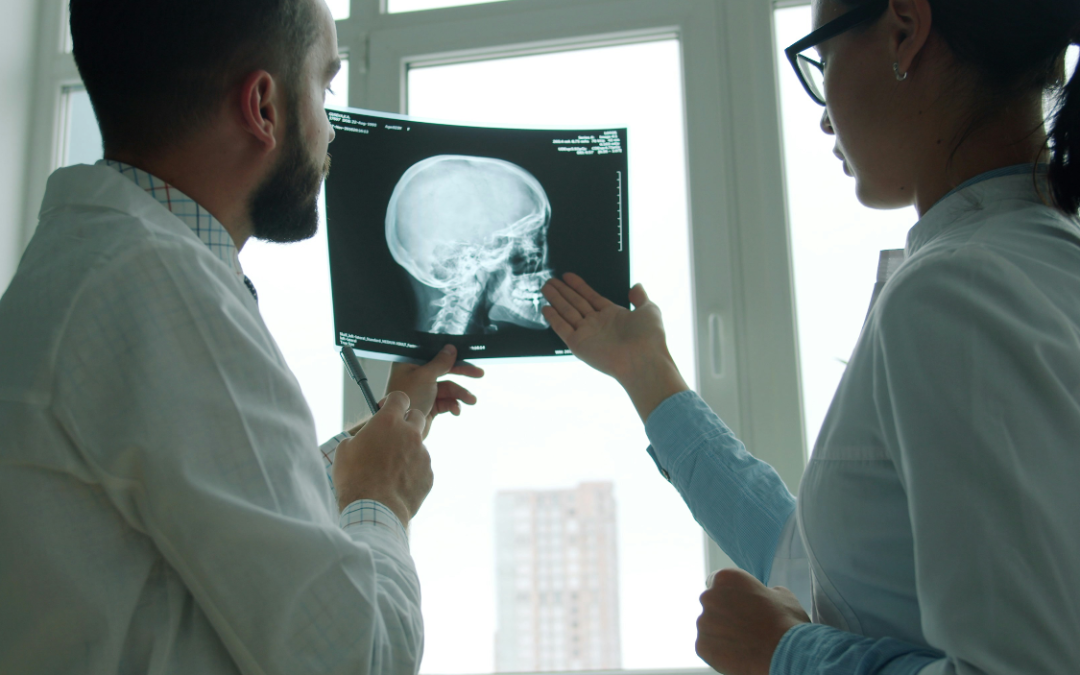
Healthcare delivery depends on timely information and smooth handoffs between people and systems, and Radiology Information Systems and Picture Archiving and Communication Systems play a central part in that exchange. RIS organizes the patient centric flow from appointment booking through report distribution while PACS stores and serves images to clinicians across the enterprise.
When these systems work together data moves faster, duplication falls away and care teams can focus on decisions rather than digging for files. The following sections examine how each system contributes to workflow gains and what that means for patients and staff.
RIS Streamlines Scheduling And Registration
RIS takes appointment requests and turns them into a structured agenda that radiology staff can act upon with fewer delays. The system holds demographic and referral data so technologists spend less time on forms and more time on acquiring clean studies, which often means fewer repeat scans and happier patients.
By keeping exam orders, prep instructions and exam status in one place front desk staff and clinicians see the same picture and avoid circular phone calls that can stall the day. Clear tracking of exam status also eases triage when urgent cases pop up and resources must be reallocated.
PACS Manages Image Storage And Access

PACS stores large volumes of imaging data and serves those files to reading workstations and clinic desktops with predictable speed. When an image is needed the clinician should not have to wait but should see the study and linked prior exams in seconds, which supports faster interpretation and decision making.
A well tuned archive preserves study integrity and offers retrieval tools that let a radiologist pull related series and compare them side by side without hunting through tapes or external drives. Quick access to prior imaging often changes the course of care because subtle changes can be detected sooner and treatment plans adjusted.
Integration Between RIS And PACS Improves Communication
Linking RIS and PACS removes the need for manual matching of orders and exams, which cuts down on errors and lost work. Seamless handoffs let the technologist mark an acquisition complete and let the images be routed to the right reading queue automatically, which reduces idle time for radiologists and speeds report generation.
When clinical teams can view images along with the laboratory notes and surgical history in one place they make more confident calls about next steps and discharge timing. Good integration also supports messaging features that let radiologists flag critical findings directly to ordering providers without awkward phone tag, creating an environment where radiology system roles get clearer in real time.
Reporting And Workflow Automation In Radiology
Structured reporting templates in the RIS bring consistency to results and make it easier to mine reports for metrics that matter to administrators and clinicians. Speech recognition tied to a reporting workflow can cut transcription delay while a checklist step can help maintain quality when complex protocols are used.
Worklist rules that assign cases by modality, subspecialty and turnaround time keep urgent reads in the front of the queue so patients get answers faster. Home grown or vendor supplied automation that routes follow up reminders and outstanding orders can shrink missed imaging events that often lead to wasted visits.
Impact On Clinical Decision Making And Care Coordination
When radiology findings arrive quickly and reliably into the electronic health record, downstream teams can act sooner and the chain of care flows with fewer interruptions. Surgeons plan procedures with clearer timelines when the latest imaging is at hand, and oncologists adjust regimens faster when response to therapy is apparent.
Having consistent image access and report context reduces redundant testing because the care team can trust prior studies and interpretive notes rather than order repeats to be safe. Speedier, coordinated decisions translate into shorter length of stay and better use of hospital beds which helps both patients and administrators.
Data Security And Regulatory Compliance
Hospitals must guard images and patient data while still enabling appropriate access for care, and both RIS and PACS have roles in access control and audit logging. Proper configuration of user rights and session timeouts keeps prohibited access attempts from exposing sensitive records while audit trails document who viewed what and when.
Encryption of data in transit and at rest protects records when they move across networks or sit on enterprise storage, which supports compliance with privacy rules and standards. Regular validation of retention policies and controlled deletion workflows prevents accidental loss of records that clinicians might depend on months or years later.
Challenges In Adoption And Ongoing Management
Deploying RIS and PACS is rarely a one time project because clinical needs shift and vendor roadmaps change over time, which means governance and periodic tuning are required. Technical debt from older systems can cause bottlenecks and staff become frustrated if interfaces are slow or unpredictable and turnover of key staff can make knowledge gaps worse.
Training that focuses on common real world scenarios and quick reference aids tends to work better than long slide based sessions that people forget when the ward gets busy. Careful procurement that balances features, support and integration capability eases the pain at cutover and helps teams keep momentum when processes must be updated.