
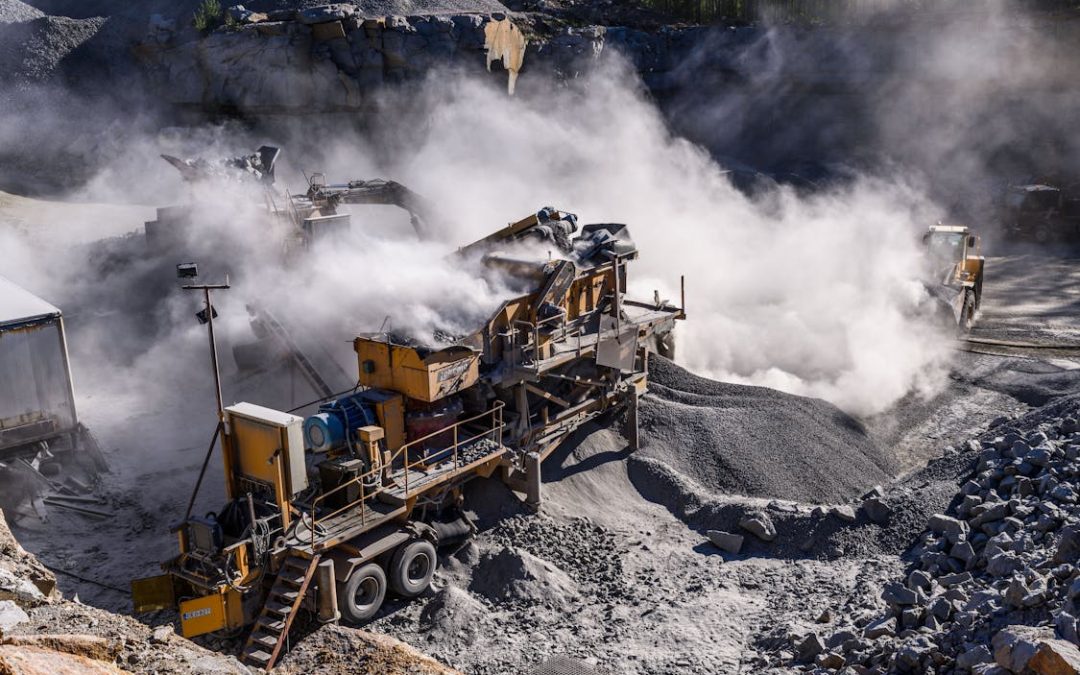
Rock crushers act as the backbone of many heavy duty operations where raw stone must be turned into useful material for build and production tasks. Machines range from simple jaw crushers to clever cone and impact units that take different approaches to breaking rock into smaller pieces.
Selection comes down to material type, output needs, and site constraints, and the gear that works well on one job can be a poor fit on another. Practical trade offs around cost, wear, and throughput shape what equipment shows up on site.
Mining Operations
In large scale mining, durability and throughput rule the day, so crushers are built to take a beating and run for long stretches. Jaw and gyratory crushers handle coarse feed and heavy tonnage while cone units provide finer product with steady choke fed action.
Wear parts are a major line item because ore can be abrasive and hard, and crews plan maintenance windows carefully to keep fleets moving. Controls focus on automation and integration with processing lines so output stays consistent and operators can react to changing ore.
Quarrying And Aggregate Production
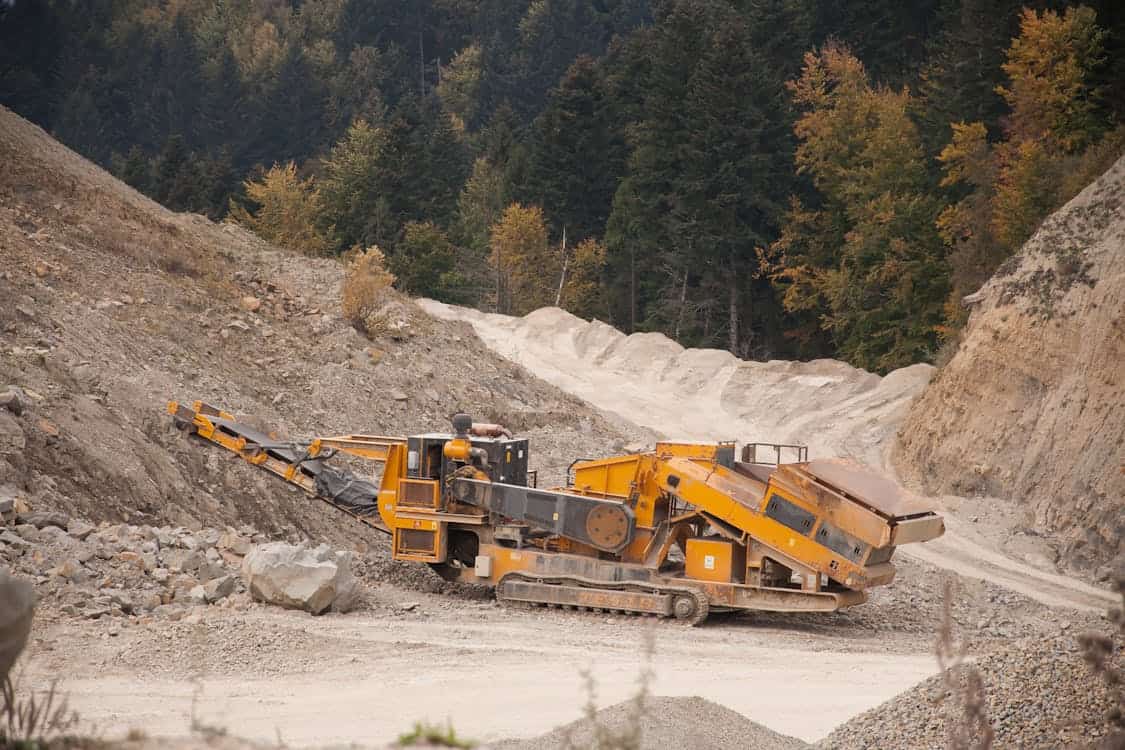
Quarries demand flexibility, since output specs can shift from coarse road base to fine sand in short order, and crushers must accommodate that. Impact crushers give shape and produce cubical stone that road and concrete markets like, while cone units excel where a tight gradation is required.
Mobility is often prized, with portable plants moving from pit to pit to follow the resource and reduce hauling costs. Producers track product quality closely because a bad batch can foul a concrete batch or a paving mix.
Construction And Demolition Recycling
On demolition sites the feed mix can include concrete, brick, and rebar, so crushers must handle non uniform loads and contaminants with grace. Impactors and jaw machines are common because they can break up brittle material and tolerate some metal pieces when a robust separator sits downstream.
Portable crushers paired with screens and magnets let contractors cut disposal bills and reclaim aggregate for backfill or sub base use. Equipment design also targets quick setup and teardown so a crew can move fast from one job to the next.
Concrete And Asphalt Processing
Plants that process reclaimed concrete and asphalt prioritize fines control and contaminant removal to meet spec for reuse in pavement or new mixes. A Rock Crusher that can produce a narrow particle size window reduce the need for large amounts of virgin material and keep projects on budget.
Screens, washing stations, and magnets are standard companions because even small amounts of organics or steel will spoil a pavement mix. Operators adjust closed circuit flow and recirculate material until it meets density and gradation checks.
Metallurgical And Smelting Preparations
When crushers feed metallurgical plants, a steady, predictable stream matters as much as output size because downstream furnaces or mills are tuned for a narrow feed range. Primary crushers must handle lumps that can topple over conveyor balances and must limit dust that could interfere with flotation or leach steps.
Finer reductions come in stages with secondary and tertiary machines that supply mills with a consistent charge size. Attention to moisture and sticky material is common since wet ore can cake and choke equipment.
Chemical And Industrial Mineral Processing
Non metallic minerals used in chemical processes often require strict particle shape and narrow size bands, so crush stages pair with specialized mills and classifiers. Impact and roller crushers are chosen where particle shape influences reactivity or filtration behavior in later steps.
Few operations tolerate high impurity levels so screens and dedicated washing gear are part of the flow when fines and clays show up. Process engineers tune the crushing circuit to protect sensitive downstream vessels and to keep reagent usage steady.
Road Building And Infrastructure Projects
Large civil projects call for big volumes of base and sub base materials that must meet compaction and gradation rules, which changes how crushers are deployed. Producers often favor simple robust units that can chew through hard rock and deliver high ton per hour figures without fuss.
Portability again comes into play near long runs of work when local production beats trucking in stone from far away. Planners aim for a balance so machines perform well across season swings and varied rock faces.
Small Scale And Artisanal Use
In small operations where capital and space are limited, machines skew toward simplicity and low energy draw so artisans can make a living without a factory sized footprint. Laboratory and pilot crushers produce trial batches to test new quarry faces, while small jaw units serve local contractors who need stone for immediate sale.
Maintenance must be straightforward, and operators often double as mechanics so robust, accessible designs win favor. Energy cost matters here, with hand fed or modest electric units preferred over massive drives.
Marine And Offshore Applications
Crushing near shore or on floating platforms brings rugged environmental constraints that influence choice and layout of machines. Corrosion resistance, compactness, and vibration control are priorities because salt spray and limited deck space complicate life.
Crushers paired with conveyors feed barges or shore plants where dredged rock must be sized for coastal works or breakwaters. Safety and containment systems are beefed up to protect sea life and to meet tight regulatory checks for spill and dust events.
Environmental And Remediation Work
When rock crushing joins cleanup projects, the target is often to convert contaminated rubble into stable fill with minimal spread of pollutants and dust. Systems combine crushers with dust suppression, wet screening, and encapsulation stages so material can be repurposed without exposing crews.
Flexibility matters because feed streams vary from stable concrete to soil and organic laden rubble that can foul grease points. Regulators watch handling closely, so documentation and traceable chain of custody add administrative weight to each job.
Crushers come in many flavors and each industry tunes selection and operation to fit its own rhythm and constraints. The same basic task of reducing rock into useful particles is handled by different mechanical methods, packing different trade offs into cost, output, and maintenance patterns.
Choices ripple out into wear planning, energy bills, and worker safety, so operators learn to match machine and mission early on. Gear that excels in one place can look clumsy in another, so a match of tool to task matters every time.